Pharmaceutical Contamination: What It Is and How It Affects Your Medications
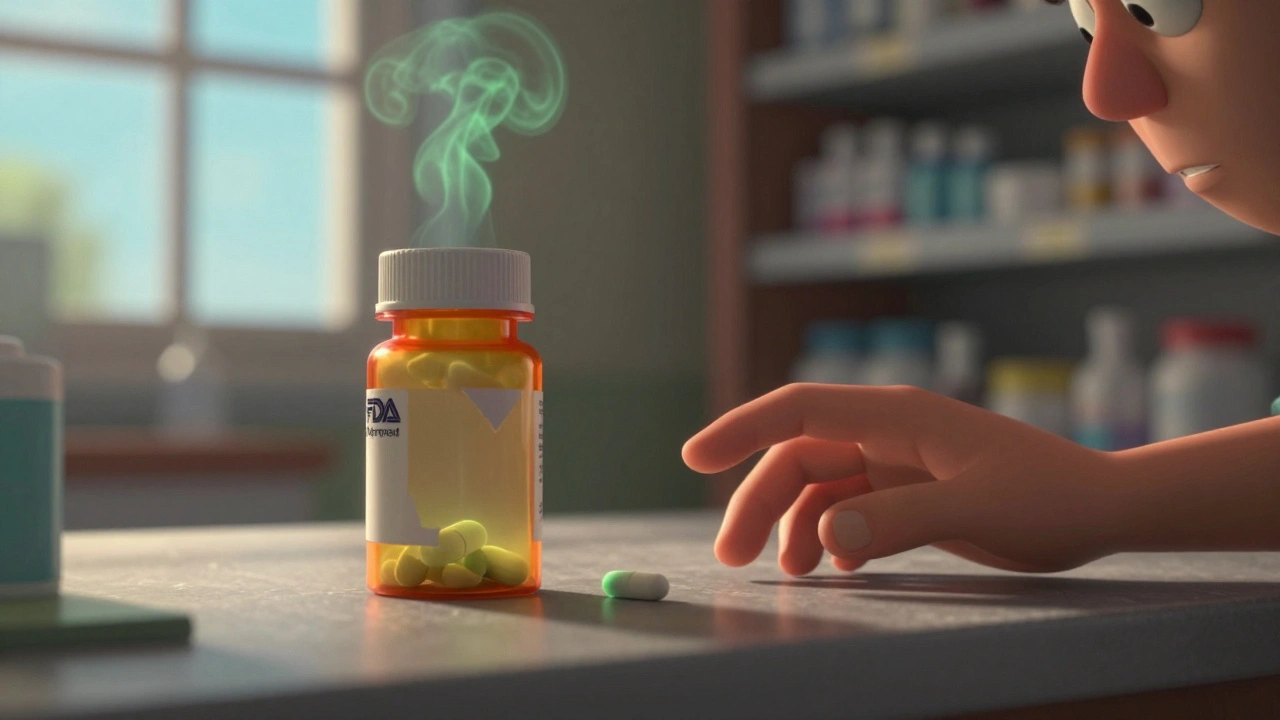
When you take a pill, you expect it to do what it’s supposed to—relieve pain, lower blood pressure, or manage a chronic condition. But what if something harmful got into that pill before it reached you? That’s pharmaceutical contamination, the presence of unintended substances in medications that can alter their safety or effectiveness. Also known as drug impurity, it’s not just a lab problem—it’s a real risk for anyone taking pills, injections, or eye drops. This isn’t about counterfeit drugs sold online. It’s about legitimate medications made by trusted companies that accidentally contain traces of chemicals, metals, or even bacteria.
Generic medications, lower-cost versions of brand-name drugs that must meet the same standards. Also known as generic drugs, they are often at the center of contamination reports. Why? Because they’re made by multiple manufacturers, sometimes overseas, with varying quality controls. A 2021 FDA alert found trace amounts of a cancer-causing chemical in some blood pressure meds because of a flawed manufacturing process. That same chemical showed up in other drugs later—like heartburn pills and diabetes treatments. It wasn’t one bad batch. It was a systemic issue.
Contamination doesn’t always come from the active ingredient. Sometimes, it’s in the inactive ingredients, the fillers, dyes, or preservatives that help the drug work or look right. Also known as excipients, they—the stuff you never read about on the label. A person with a rare allergy might react to a dye in a generic version that the brand-name version doesn’t use. Or a preservative in eye drops might break down over time and form toxic byproducts. Even something as simple as improper storage can cause contamination: heat, moisture, or light can turn a stable drug into a harmful one.
And it’s not just pills. Insulin, vaccines, and biologics need cold storage. If they warm up during shipping or sit on your counter too long, they can grow bacteria or lose potency. A contaminated insulin vial might not lower your blood sugar at all—and that’s more dangerous than a side effect. It’s a total failure.
What makes this even harder to spot is that you often won’t feel anything right away. Unlike an allergic reaction, contamination might show up as a slow decline in how well your medicine works. Your blood pressure stays high. Your thyroid levels don’t improve. Your pain doesn’t go away. You think it’s your condition getting worse. But it could be your meds are contaminated.
That’s why reporting side effects matters. When you file a report with the FDA through MedWatch, you’re not just complaining—you’re helping catch contamination before it hurts more people. Pharmacists and doctors are watching for patterns too. If several patients on the same generic drug report the same strange side effect, it triggers an investigation.
You can’t control every step of the supply chain, but you can take smart steps. Check your meds for changes in color, smell, or texture. Store them properly—especially if they need refrigeration. Don’t use expired pills. And if a generic version suddenly feels different, talk to your pharmacist. They can tell you if there’s been a switch in manufacturers or if a recall is in progress.
Below, you’ll find real-world examples of how contamination shows up—in insulin storage, in generic pills, in eye drops, and even in how drugs interact with other substances. These aren’t theoretical risks. They’re documented cases that affected real people. The goal isn’t to scare you. It’s to help you spot the signs, ask the right questions, and make sure your meds do what they’re supposed to—keep you healthy, not hurt you.