
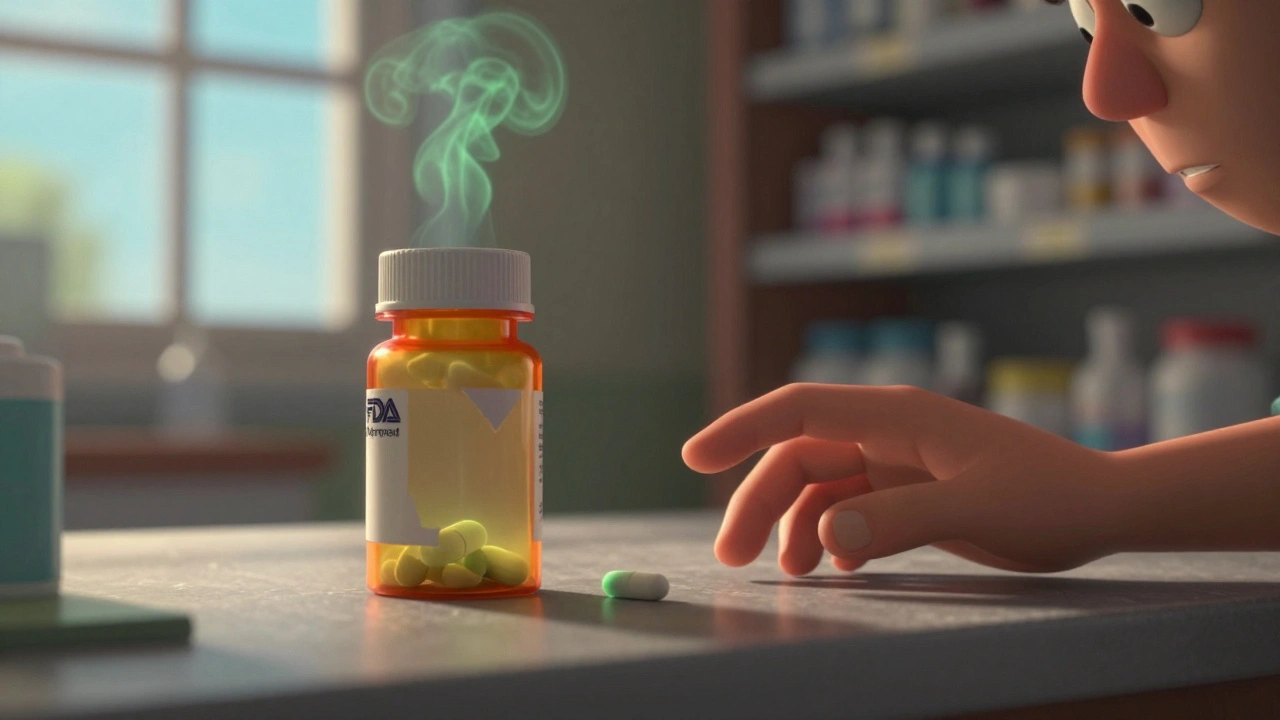
Every year, millions of people take generic drugs because they’re affordable and just as effective as brand-name versions. But behind that simplicity lies a hidden risk: contamination. In 2022, generic drug contamination caused nearly 4 out of every 10 drug recalls in the U.S., according to FDA data. These aren’t just minor flaws - they’re dangerous. Contaminated pills can cause allergic reactions, organ damage, or even death. And unlike brand-name drugs, generics often come from overseas factories with less oversight. So how do you know if your medication is safe? And what happens when it’s not?
What Exactly Is Generic Drug Contamination?
Generic drug contamination means unwanted substances end up in your medicine. These can be chemical residues from other drugs, bacteria, mold, or even tiny bits of metal. The FDA defines it as the accidental introduction of impurities during manufacturing - whether from the air, equipment, workers, or leftover material from previous batches. It’s not about fake pills. It’s about real drugs that got dirty. For example, in 2018, a batch of blood pressure pills was found to contain nitrosamines - cancer-causing chemicals formed during production. Over 2,000 products were pulled from shelves across eight countries. That wasn’t an isolated case. In 2022, the FDA reported that 22% of all drug recalls were due to contamination, and 37% of those involved generic drugs. Why does this happen more with generics? It’s not because they’re designed to be worse. It’s because they’re made under tighter budgets. Generic manufacturers often operate on 20-25% profit margins, compared to 60-70% for brand-name companies. That leaves less money for clean facilities, trained staff, and advanced testing.Where Does Contamination Come From?
Contamination doesn’t just appear out of nowhere. It travels through the supply chain. About 80% of the active ingredients in U.S. drugs come from just two countries: India and China. These facilities may meet local standards, but U.S. inspections are rare - only 1% of imported drugs are checked for impurities. Inside the factory, contamination happens in predictable ways:- Cross-contamination: When one drug residue mixes with another. A machine that made a powerful blood thinner might not be cleaned well enough before producing a common painkiller. Even 10 parts per million of leftover drug can be dangerous.
- Microbial growth: Bacteria or mold can grow in moist environments. For oral tablets, the limit is 1,000 colony-forming units per gram. Exceed that, and you risk infection.
- Human error: Workers shed 40,000 skin cells per minute. In cleanrooms, they’re the biggest source of particles. If they don’t gown properly, they bring in dirt, hair, and microbes.
- Equipment issues: Old machinery, broken filters, or poorly sealed rooms let in dust and air contaminants. Facilities built before 2000 have 34% higher contamination risk.
How Are Generic Drugs Different From Brand-Name?
Legally, generic drugs must be identical in strength, dosage, and effect to their brand-name counterparts. That’s the law. But in practice, they’re not treated the same. Brand-name companies often own their own factories and control the entire process - from raw materials to finished pills. Generic makers usually buy active ingredients from third parties, sometimes across continents. Each handoff is a chance for contamination. FDA inspection data shows that 8.3% of generic manufacturing sites received warnings for contamination issues in 2022. For brand-name sites, it was 5.1%. In India, where many generics are made, contamination-related warnings hit 12.7% - more than double the U.S. rate. Some generic companies are doing better. Teva’s facility in Bologna, Italy, cut cross-contamination by 78% using closed manufacturing systems. Mylan’s plant in West Virginia reduced incidents by 82% with real-time particle monitors. These aren’t lucky breaks - they’re investments. And most generic companies don’t make them.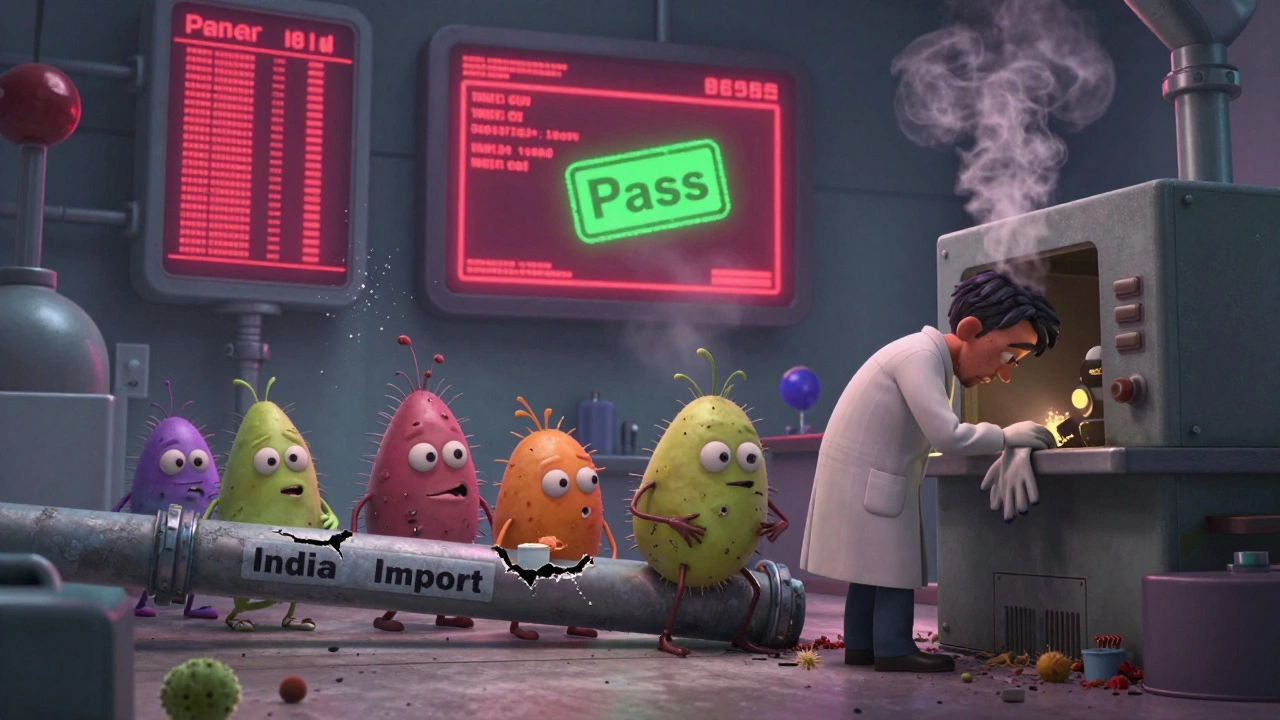
What’s Being Done to Prevent Contamination?
Prevention starts with strict rules called Good Manufacturing Practices (GMP). These require:- Facilities to be built to ISO Class 8 standards (for non-sterile drugs) or ISO Class 5 (for injectables)
- Staff to wear full gowns, masks, and gloves - and train annually for 8-12 hours
- Cleaning validation: proving that after washing, no more than 10 ppm of previous drug remains
- Environmental monitoring: checking air, surfaces, and water for microbes daily
What Happens When a Drug Is Contaminated?
When contamination is found, the manufacturer must recall the product. But the system is slow. The FDA’s MedWatch database received 1,247 reports of possible contamination between 2020 and 2022. Only 387 of those led to confirmed adverse events - meaning many cases go unnoticed. Patients report strange symptoms: rashes, nausea, dizziness. One Reddit user described blue specks in metronidazole pills - later confirmed as copper contamination. Another patient developed severe skin burns from a contaminated hydrocortisone cream. These aren’t rare. In a 2022 survey, 28% of hospital pharmacists said they’d seen questionable generics. 14% of those cases harmed patients. Recalls cost companies an average of $18.7 million each. That’s why some delay reporting. Others issue vague statements like “quality concern” instead of admitting contamination. The public rarely learns the full story.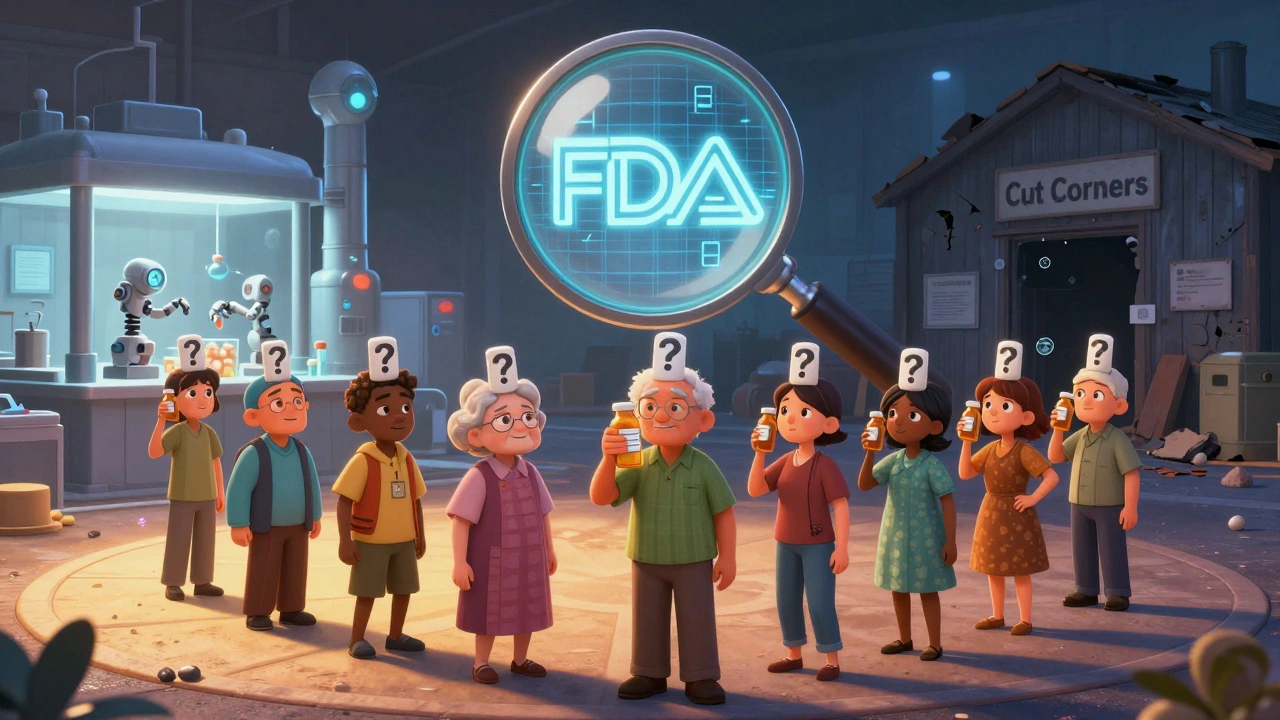
How Can You Protect Yourself?
You can’t test your pills at home. But you can be alert:- Check the label: Is the pill color, shape, or imprint different from your last refill? That could mean a new supplier.
- Watch for side effects: If you suddenly feel worse after switching to a generic, talk to your pharmacist. It’s not always your condition worsening.
- Report suspicious drugs: Use the FDA’s MedWatch portal. Even one report helps track patterns.
- Ask your pharmacist: Independent pharmacies often know which generics come from which factories. Ask if they’ve seen issues with a specific brand.
The Bigger Picture: Why This Matters
Generic drugs save the U.S. healthcare system $370 billion a year. Without them, millions couldn’t afford treatment. But if contamination keeps rising, trust will erode. And when people stop taking their meds because they fear side effects, public health suffers more than if they’d paid more for brand-name drugs. The solution isn’t to stop using generics. It’s to demand better. Stronger inspections. Faster testing. Transparency. Companies that invest in clean production - like Teva and Mylan - prove it’s possible. The question is: will others follow? The FDA’s 2023 Drug Competition Action Plan is a step forward. But it’s not enough. We need more inspectors, more funding, and more pressure on manufacturers to prioritize safety over speed. Until then, stay informed. Question changes. Speak up. Your health depends on it.Can generic drugs be contaminated even if they’re FDA-approved?
Yes. FDA approval means the drug meets standards at the time of review, but contamination can occur during manufacturing or shipping. The FDA doesn’t test every batch. It relies on manufacturers to follow Good Manufacturing Practices (GMP). If those practices fail - due to poor cleaning, aging equipment, or worker error - contamination can happen even in approved drugs.
How do I know if my generic drug has been recalled?
Check the FDA’s Drug Recalls page or sign up for email alerts. You can also ask your pharmacist - they’re required to notify you if your medication is recalled. Look for changes in pill appearance, packaging, or manufacturer name. If something looks off, don’t take it. Call your pharmacy or the FDA’s MedWatch hotline.
Are all generic drugs made in India or China dangerous?
No. Many reputable generic manufacturers in India and China follow strict quality controls. Companies like Teva, Mylan, and Sun Pharma have facilities that meet or exceed U.S. standards. The issue isn’t location - it’s oversight. Some factories cut corners. Others invest in clean rooms, real-time monitoring, and trained staff. Look for brands with a history of transparency and low recall rates.
Why don’t pharmacies test drugs for contamination before dispensing?
Most pharmacies don’t have the equipment or budget. Testing for chemical or microbial contamination requires labs with specialized tools - costing tens of thousands of dollars. Independent pharmacies often lack resources. Even hospitals rely on manufacturer certificates of analysis. The system assumes drugs are safe when they arrive - which is why contamination often goes undetected until patients get sick.
What should I do if I think my medication is contaminated?
Stop taking it immediately. Keep the bottle and any remaining pills. Contact your pharmacist and doctor. Report it to the FDA through MedWatch - even if you’re unsure. Your report helps identify patterns. If you have symptoms like rash, vomiting, or dizziness, seek medical care. Don’t wait. Contaminated drugs can cause serious harm, especially in people with chronic conditions.
David Brooks
December 7, 2025 AT 19:47Wow. This is the kind of post that makes you stop scrolling and actually think. I never realized how much our health is hanging on a thread stitched by overseas factories and budget cuts. I just took my generic blood pressure med this morning. Now I’m staring at the bottle like it’s a ticking time bomb. Thanks for the wake-up call.
Helen Maples
December 9, 2025 AT 07:11The FDA’s inspection rate of 1% for imported drugs is a national scandal. It’s not negligence-it’s systemic abandonment. If this were automotive parts or baby formula, Congress would be in an uproar. But because it’s pills people take quietly every day, no one cares until someone dies. And then it’s another headline, another recall, another forgotten victim.
Nicholas Heer
December 10, 2025 AT 16:27Let’s be real-this is all a deep state operation. The FDA, Big Pharma, and the WHO are all in cahoots to keep us docile. Why? Because if you make people afraid of their meds, they’ll take whatever they’re told. And who profits? The same folks who own the labs in Hyderabad and Shanghai. They’re not just cutting corners-they’re engineering dependency. Look at the timing: right after the pandemic, when everyone was too scared to question authority. Coincidence? I think not.
Sangram Lavte
December 12, 2025 AT 08:54As someone from India who works in pharma logistics, I can say this: most factories here follow strict GMP. But yes, some small players cut corners because they’re under insane pressure to deliver cheap. It’s not about nationality-it’s about accountability. We need third-party audits, not just FDA visits every 5 years. And transparency in sourcing-patients deserve to know where their pills come from.
Oliver Damon
December 13, 2025 AT 01:22There’s a philosophical tension here between efficiency and safety. Generics exist because society demands affordability. But safety isn’t a variable we can optimize away. We’ve outsourced not just production, but moral responsibility. The system treats human health like a supply chain KPI. Until we reframe this as a human rights issue-not a cost-benefit analysis-we’ll keep having these crises. And we’ll keep pretending the problem is ‘someone else’s fault.’
Stacy here
December 14, 2025 AT 09:50So let me get this straight-we let a handful of countries produce 80% of our medicine, inspect less than 1% of it, and then act shocked when people get sick? This isn’t incompetence. It’s ideological. We’ve chosen convenience over care. We’ve traded the dignity of health for the illusion of savings. And now we’re surprised when the illusion cracks? Wake up. This was predictable. And it’s still happening because no one wants to pay the real price.
Kyle Oksten
December 15, 2025 AT 06:12People say ‘trust the science.’ But science requires transparency. How can we trust when the data is hidden behind NDAs and proprietary manufacturing secrets? The FDA doesn’t need more inspectors-it needs subpoena power. If a company won’t disclose its cleaning protocols, it shouldn’t be allowed to sell pills. Period.
Ernie Blevins
December 15, 2025 AT 14:19lol so what, you’re telling me my $3 metformin might have metal shavings in it? bro i’ve been taking it for 10 years and i’m still standing. maybe the real contamination is your anxiety.
Jennifer Anderson
December 16, 2025 AT 21:01Just had my pharmacist tell me my generic lisinopril switched suppliers-same name, different color. I asked if she knew where it came from and she said ‘somewhere in India.’ I didn’t say anything, but I’m switching back to brand next refill. My blood pressure’s not worth the gamble. If you’re reading this and you’ve never asked your pharmacist about the maker of your meds-do it. They know more than you think.
Sadie Nastor
December 17, 2025 AT 01:13thank you for this 🙏 i was scared to say anything but i’ve been getting weird rashes since my last refill… i thought it was stress. now i’m gonna take my bottle to the pharmacy tomorrow. you’re right-safety isn’t automatic. it’s something we have to fight for. even if it’s just one question at a time 💛
Kurt Russell
December 18, 2025 AT 20:44Here’s the truth: if you’re on a generic, you’re already part of the solution. You’re saving money, which means someone else can afford their meds too. But here’s the next step-don’t just take it. Demand better. Write to your rep. Ask your doctor if they know the manufacturer. Share this post. Change doesn’t come from outrage-it comes from consistent, quiet pressure. You’re not powerless. You’re the missing link in this chain.
Louis Llaine
December 19, 2025 AT 08:50So… we’re supposed to believe that a $3 pill is just as safe as a $50 one? Cool. Next you’ll tell me a used tire is just as safe as a new one if it has the same tread depth. I’ll stick with my brand-name. My life’s not a cost-cutting experiment.
Jane Quitain
December 20, 2025 AT 06:17i just read this and my hands are shaking… i’ve been taking that same generic for years. i never thought to check the color or the imprint… i’m gonna call my pharmacy right now. thank you for making me care.