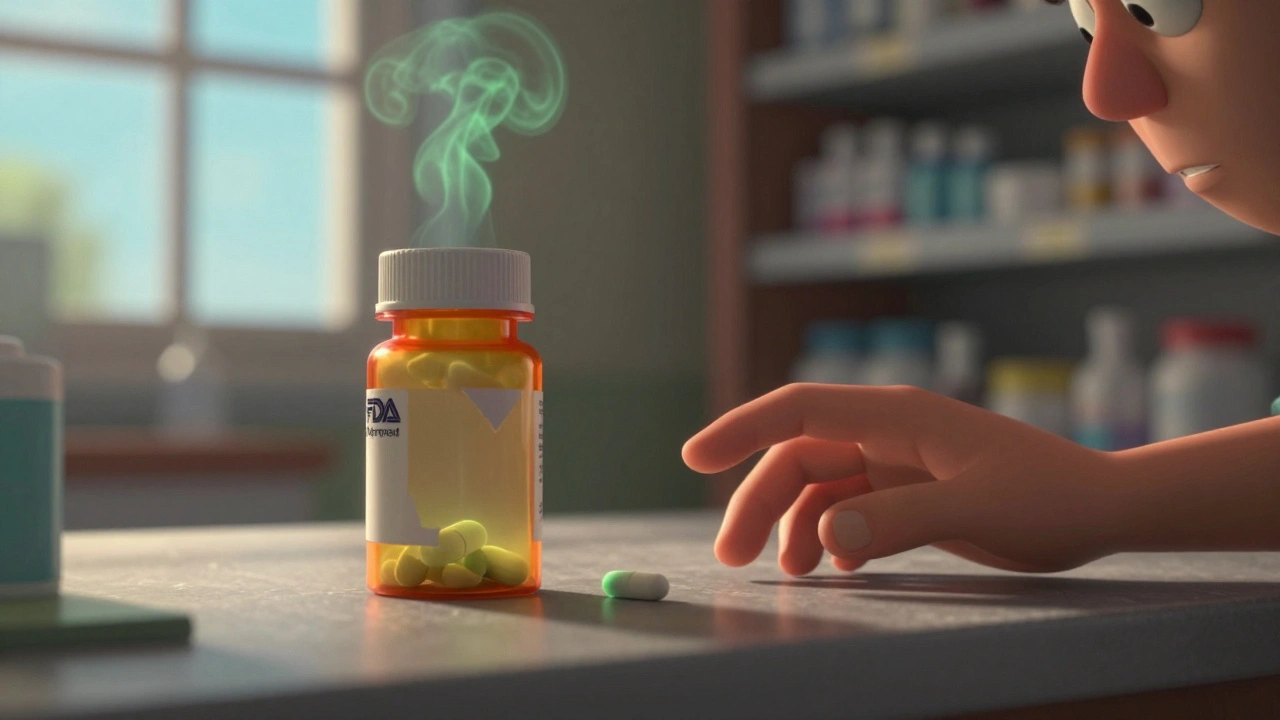
Medication Recalls: What You Need to Know and How to Stay Safe
When a medication recall, a formal action by manufacturers or regulators to remove unsafe drugs from the market happens, it’s not just paperwork—it’s a real risk to your health. These recalls aren’t rare. They’re triggered when a drug is found to contain harmful contaminants, incorrect dosages, or labeling errors that could cause serious harm. The FDA MedWatch, the U.S. Food and Drug Administration’s system for tracking adverse events and drug safety issues is where most of these alerts start, and patients, pharmacists, and doctors all play a role in catching them early. A recalled medication doesn’t always mean it’s dangerous for everyone—but it does mean you need to act fast.
Recalls aren’t just about tainted pills. They can involve adverse event reporting, the process by which patients and providers notify regulators of unexpected side effects or treatment failures that reveal hidden problems. For example, a batch of insulin might lose potency due to improper storage during shipping, or a generic blood pressure pill might have a different inactive ingredient that triggers allergies in sensitive people. These aren’t theoretical risks—they’re real, documented cases that show up in posts about medication recalls, generic switching, and storage failures. You might not hear about every recall on the news, but if you’re taking chronic medication, you need to know how to check for yourself. Pharmacies like Shiner Family Pharmacy monitor these alerts daily and cross-reference them with your prescriptions to catch issues before they reach you.
What happens after a recall? You don’t just toss the bottle. You need to know if you should stop taking it immediately, return it, or switch to another version. Some recalls are Class I—meaning serious injury or death is possible—and others are Class III, where the risk is minimal. The difference matters. You also need to understand how to report a bad reaction yourself, because your report could help prevent someone else from getting hurt. That’s why posts here cover everything from how to use MedWatch to why some drugs need refrigeration and how storage errors lead to recalls. You’ll find guides on what to do when your pill looks different, how to spot a counterfeit, and why even small changes in inactive ingredients can trigger problems. This isn’t about fear—it’s about control. Knowing how recalls work gives you power over your own health.
Below, you’ll find real-world stories and practical guides from people who’ve been affected by recalls, from insulin that lost its strength to antibiotics that didn’t work because of contamination. These aren’t hypotheticals. They’re lessons learned. Whether you’re on a daily medication, managing a chronic condition, or just filling a prescription once in a while, this collection gives you the tools to stay ahead of the next alert—before it affects you.