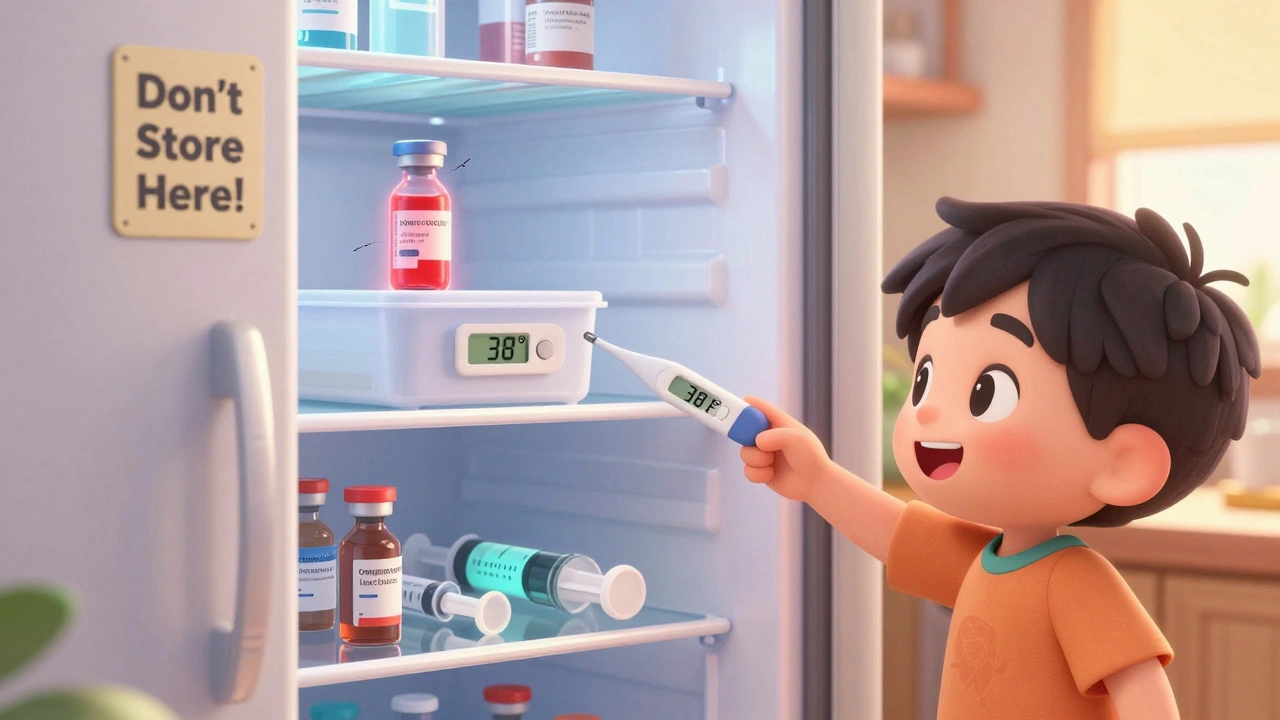
Insulin Storage: How to Keep Your Insulin Effective and Safe
When you use insulin, a life-saving hormone that helps your body manage blood sugar. Also known as injectable diabetes medication, it’s not like other pills—you can’t just toss it in a drawer and forget it. Insulin is a protein, and like any protein, it breaks down if it gets too hot, too cold, or too old. Using spoiled insulin can mean high blood sugar, hospital visits, or worse. That’s why knowing how to store insulin isn’t just a tip—it’s a must.
Most unopened insulin vials and pens need to stay in the refrigerator, between 36°F and 46°F (2°C and 8°C) until you open them. Once you start using a pen or vial, you can keep it at room temperature—usually up to 77°F (25°C)—for about 28 days. But don’t leave it on the windowsill or in a hot car. Heat makes insulin lose power fast. If you’re traveling, use a cooling wallet or insulated bag. Don’t freeze it. Freezing ruins the structure of the insulin, and even if it thaws, it won’t work right.
Also, pay attention to the insulin pump, a device that delivers insulin continuously under the skin. The reservoir inside holds insulin that’s exposed to body heat. That means you need to change it every 2–3 days, even if there’s leftover insulin. Leaving it in too long increases the risk of blockages and infection. And if your pump alarms about high blood sugar even though you’re dosing correctly? Check the insulin first. It might be degraded from heat or age.
Insulin isn’t the only thing you need to watch. The insulin temperature, the exact range where insulin stays stable, matters for every form—whether it’s long-acting like Lantus, rapid-acting like Humalog, or even the newer types like Fiasp. Always check the package insert. Some newer insulins can stay out longer than others, but never assume. When in doubt, throw it out. A bad vial isn’t worth the risk of uncontrolled blood sugar.
You’ll find posts here that dig into how insulin interacts with steroids, how pumps are set up, and why timing matters when you’re managing diabetes. Some people think switching brands or generics doesn’t change anything—but with insulin, even small differences in formulation can affect how it works in your body. That’s why storage and handling are just as important as the dose you take. If your insulin looks cloudy when it should be clear, has clumps, or smells funny, don’t use it. No exceptions.
Whether you’re new to insulin or have been using it for years, the rules don’t change. Keep it cool, keep it clean, keep it fresh. The difference between proper storage and neglect isn’t just about effectiveness—it’s about safety. Below, you’ll find real advice from people who’ve been there: how to handle insulin on road trips, what to do when the power goes out, how to tell if your insulin’s gone bad, and why your pump’s alarm might be screaming because of something as simple as a warm bathroom counter.