Drug Shortages: Why They Happen and How They Impact Your Medications
When a drug shortage, a situation where the supply of a medication falls below demand, leaving patients unable to fill prescriptions. Also known as medication scarcity, it’s not just a hospital problem—it hits families, seniors, and people managing chronic conditions every day. You might not hear about it until your pharmacist says, "We don’t have it right now." But behind that simple sentence is a broken supply chain, factory shutdowns, and rising costs that make even basic pills hard to find.
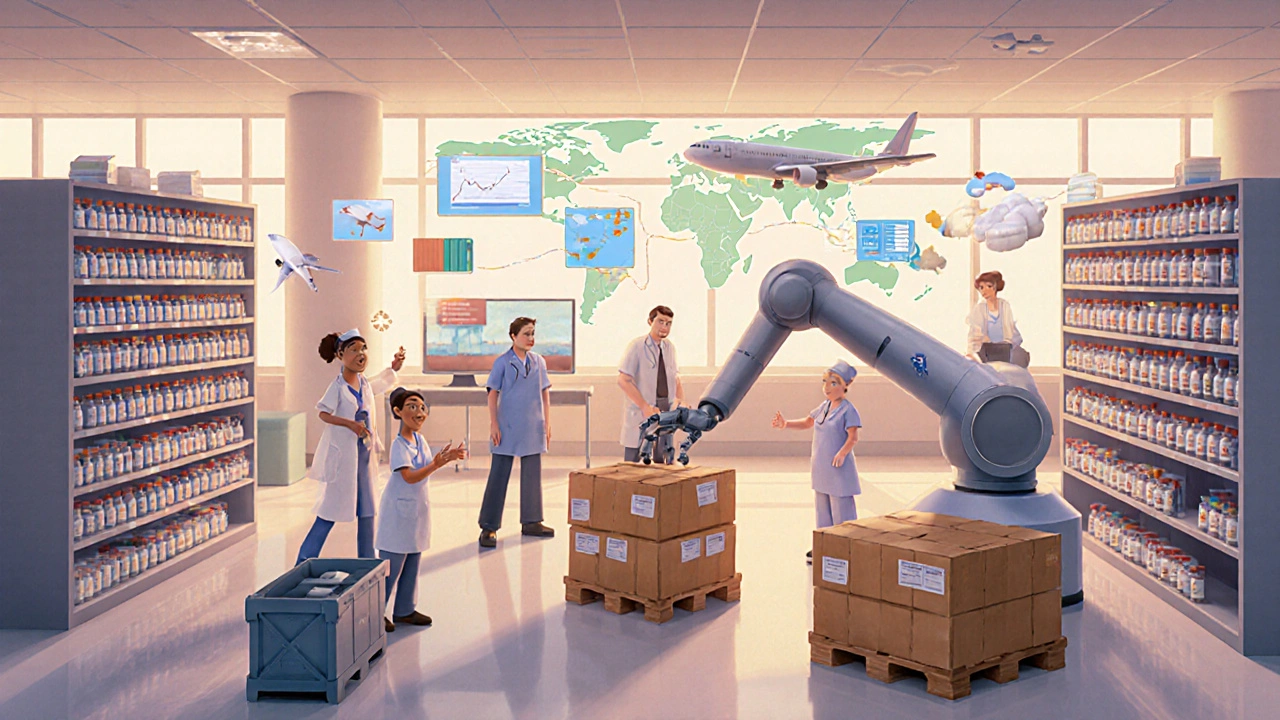
Drug shortages don’t happen randomly. They’re often tied to pharmaceutical supply chain, the complex network of manufacturers, distributors, and regulators that move drugs from labs to pharmacies. One factory in India or China that gets shut down for quality issues can ripple across the U.S., affecting everything from antibiotics to blood pressure pills. Even something as simple as a power outage or a raw material shortage can delay production for months. And when generic drugs—what most people rely on—are involved, profit margins are so thin that companies stop making them unless demand is guaranteed. That’s why you see shortages in common meds like amoxicillin, metformin, or IV saline, but rarely in expensive brand-name drugs.
It’s not just about running out of pills. medication availability, how easily patients can access the drugs they need at the right time affects safety too. When your usual medication isn’t there, you might get a substitute that causes new side effects—like switching from one beta-blocker to another that makes you dizzy, or swapping a thyroid pill that doesn’t work the same way. Seniors on multiple meds, like those covered in our Beers Criteria and pill packs for seniors posts, are especially vulnerable. A change in dosage form or inactive ingredients can throw off their whole routine. Even something as small as a different color or shape of pill can cause confusion, leading to missed doses or double dosing.
And when you can’t get your drug, what do you do? Some people turn to online pharmacies—some legit, some dangerous—looking for generic ivermectin or other hard-to-find meds. Others delay treatment, risking worse outcomes. That’s why knowing your options matters. You might not be able to stop a shortage, but you can prepare for it. Talk to your pharmacist early. Ask if there’s a therapeutically equivalent alternative. Check if your insurance covers a different brand. Keep a list of your meds and dosages handy. These aren’t just tips—they’re survival tools in a system that’s failing too many people.
What you’ll find below isn’t just a list of articles. It’s a practical toolkit. From how to report dangerous side effects to the FDA, to understanding why some drugs are riskier for seniors, to how remote monitoring apps help catch problems before they escalate—each post ties back to the real-world chaos of drug shortages. Whether you’re managing COPD, breastfeeding, or just trying to keep your blood pressure under control, these stories show how supply issues ripple through every part of your health. You’re not alone in this. And you don’t have to wait for someone else to fix it—you can start by knowing what’s happening, and what you can do next.