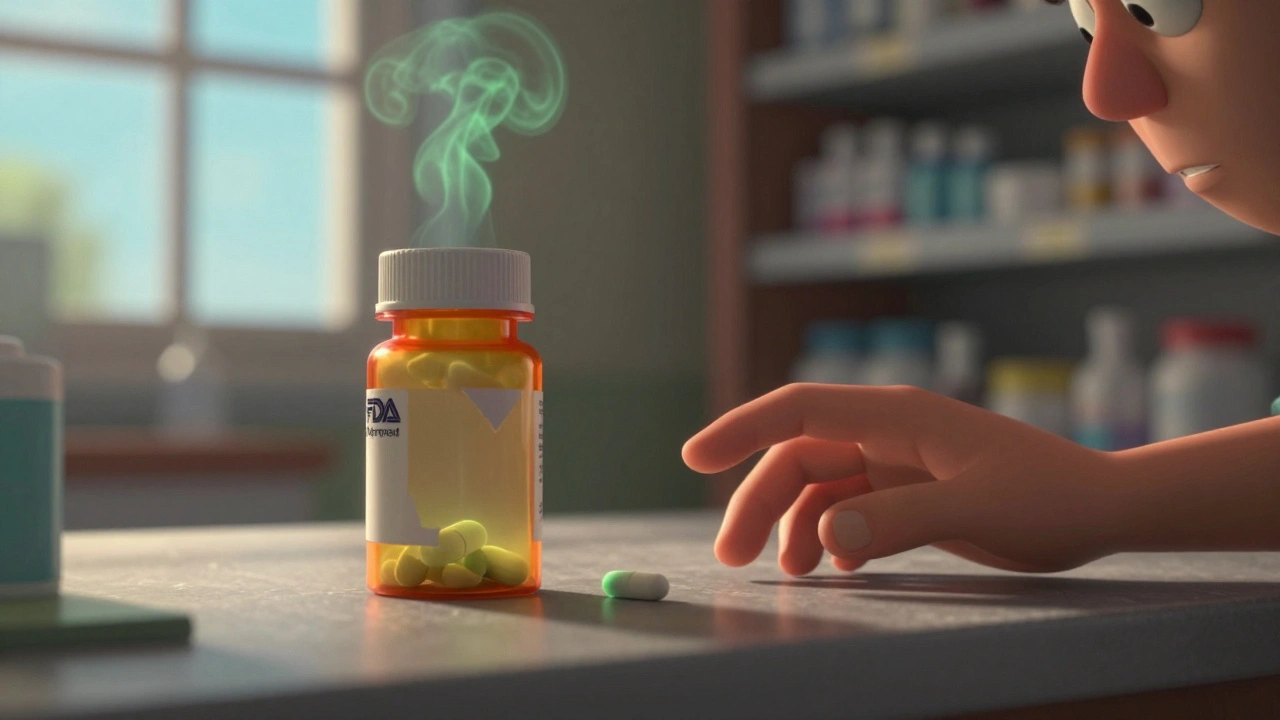
Drug Safety: Protect Yourself from Side Effects, Interactions, and Mistakes
When you take a medication, you’re trusting that it will help—not hurt. But drug safety, the practice of using medications in a way that minimizes harm while maximizing benefit. Also known as medication safety, it’s not just what’s in the pill—it’s how you take it, what else you’re taking, and whether anyone’s watching for trouble. Too many people think side effects are normal. They aren’t. A missed dose, a wrong storage temperature, or mixing two common drugs can turn a harmless routine into a hospital trip.
Drug safety isn’t just personal—it’s a system. It involves medication side effects, unwanted reactions that can range from mild dizziness to life-threatening organ damage, like kidney injury from NSAIDs or blood sugar spikes from steroids. It includes drug interactions, when one medication changes how another works in your body, like calcium blocking osteoporosis drugs or antihistamines making COPD worse. And it means knowing when to report problems to the adverse event reporting, the official process of telling health authorities about harmful reactions to medications—something every patient can do through MedWatch.
Most drug safety failures happen because people don’t know what to look for. You might not realize your generic pill has a different filler that causes bloating. You might skip doses because you feel fine—until the infection comes back stronger. You might store insulin in the pantry and wonder why it’s not working. These aren’t mistakes you’re alone in making. They’re common, preventable, and exactly why this collection exists.
Below, you’ll find real stories from people who learned the hard way—and what they did to fix it. You’ll see how to catch dangerous reactions before they escalate, how to talk to your pharmacist about hidden risks, and how to use tools like pill packs and remote monitoring apps to stay on track. This isn’t theory. It’s what works when your health is on the line.