Biologic Medication Storage: How to Keep Your Injectables Safe and Effective
When you’re using a biologic medication, a complex drug made from living cells, often used for autoimmune diseases, cancer, or diabetes. Also known as biologic drugs, it requires careful handling because unlike pills, these treatments can break down if exposed to heat, light, or freezing temperatures. If your biologic isn’t stored right, it loses potency—and that means your treatment might not work at all. This isn’t just a theoretical risk. People have shown up to clinics with insulin or Enbrel that sat in a hot car all day, and the pharmacy had to throw it out. No refund. No second chance that month.
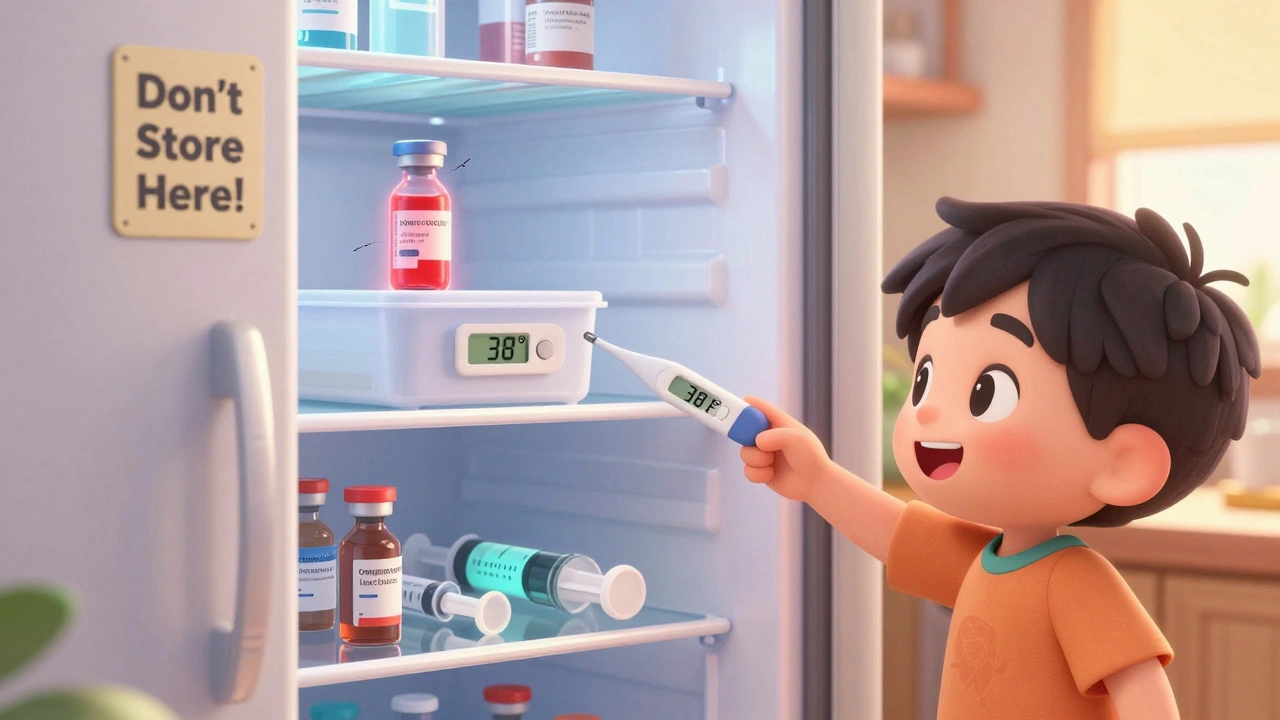
Biologic medications are made from proteins, antibodies, or other biological molecules. They’re fragile. Too much heat? The structure unravels. Freeze them by accident? Ice crystals form and destroy the active ingredients. Even too much light can degrade them over time. That’s why most require refrigeration between 36°F and 46°F (2°C to 8°C). But not all. Some newer biologics, like certain versions of Humira or Enbrel, can stay at room temperature for weeks after opening. You can’t assume—always check the label or ask your pharmacist. The insulin storage, a common type of biologic used by millions with diabetes is one of the most frequently mishandled. People leave pens in the glove compartment, stash them in the freezer to "make them last longer," or forget to replace the cap after use. Each mistake chips away at effectiveness.
And it’s not just about the fridge. Traveling? You need a cooler with a cold pack, not just ice cubes. Power outage? Know how long your meds will stay safe without refrigeration. Most biologics have a limited window—often 7 to 14 days—before they go bad at room temp. Keep the original box. It has the expiration date, storage instructions, and sometimes even a temperature indicator. If the indicator turns red, don’t use it. No exceptions. Even if it looks fine, it might not work. And don’t rely on your memory. Write down when you opened the vial or pen. Set a phone reminder. Your body depends on this drug working exactly as designed.
Some biologics, like those used for rheumatoid arthritis or Crohn’s disease, are expensive. Losing one because of poor storage isn’t just inconvenient—it’s costly. Insurance won’t always replace it. You might have to pay out of pocket again. That’s why biologic refrigeration, the controlled cold environment needed to preserve the molecular integrity of these drugs isn’t optional. It’s part of your treatment plan. Just like taking your dose on time, storing it right keeps you healthy.
What you’ll find below are real stories and practical fixes from people who’ve been there. How to handle biologics during travel. What to do if your fridge breaks. Why some biologics don’t need refrigeration after opening. How to spot a degraded product. And why your pharmacist is your best ally when it comes to keeping these sensitive drugs working.