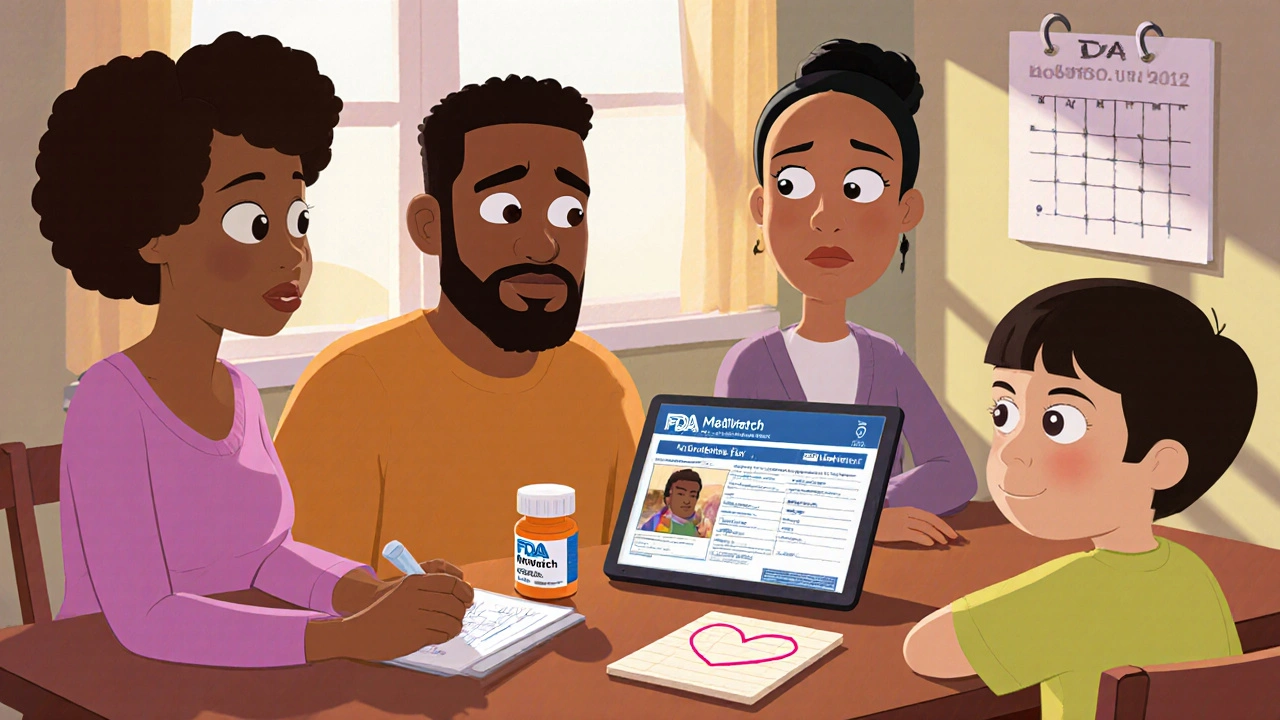
Report Drug Side Effects: What to Know and How to Act
When you take a medication, your body reacts — sometimes in ways you didn’t expect. That’s where report drug side effects, the official process of notifying health authorities about unexpected or harmful reactions to medicines. Also known as adverse drug reaction reporting, it’s not just paperwork — it’s how we catch dangerous patterns before they hurt more people. Every time someone reports a strange rash, sudden dizziness, or unexplained fatigue after taking a pill, it adds to a global safety net. These reports help regulators update warnings, pull risky drugs off shelves, and even redesign how medicines are made.
Not all bad reactions are allergies. A drug side effect, an expected but unwanted reaction that can happen even when a medication is used correctly is different from a true allergy. For example, nausea from antibiotics or drowsiness from antihistamines are common side effects — annoying, but not always dangerous. But when a side effect turns life-threatening — like liver damage from a painkiller or irregular heartbeat from a heart drug — that’s when reporting becomes critical. pharmacovigilance, the science and activities focused on detecting, assessing, understanding, and preventing adverse effects of medicines relies on real people like you to speak up. Without those reports, drug makers and regulators are flying blind.
You don’t need to be a doctor to report. If you notice something odd after starting a new medication — especially if it’s new to you or got worse over time — write it down. Note the drug name, dose, when you started it, what happened, and how long it lasted. Then report it. In the U.S., that’s through the FDA’s MedWatch system. In the EU, it’s via national health agencies. Even if you’re unsure, report it anyway. One person’s report might be the clue that saves ten others. And if you’re on multiple meds, interactions can hide in plain sight. A sleepy feeling might seem normal until you realize it’s from mixing a blood pressure pill with a common cold remedy. That’s why medication safety, the practice of ensuring drugs are used correctly to avoid harm isn’t just about taking pills right — it’s about speaking up when something feels off.
Below, you’ll find real stories and guides from people who’ve been there — from spotting hidden risks in over-the-counter drugs to understanding how side effects connect to chronic conditions like COPD or mental health treatment. These aren’t theoretical warnings. They’re lessons from real patients, pharmacists, and doctors who’ve seen what happens when side effects go unreported — and what changes when they don’t.