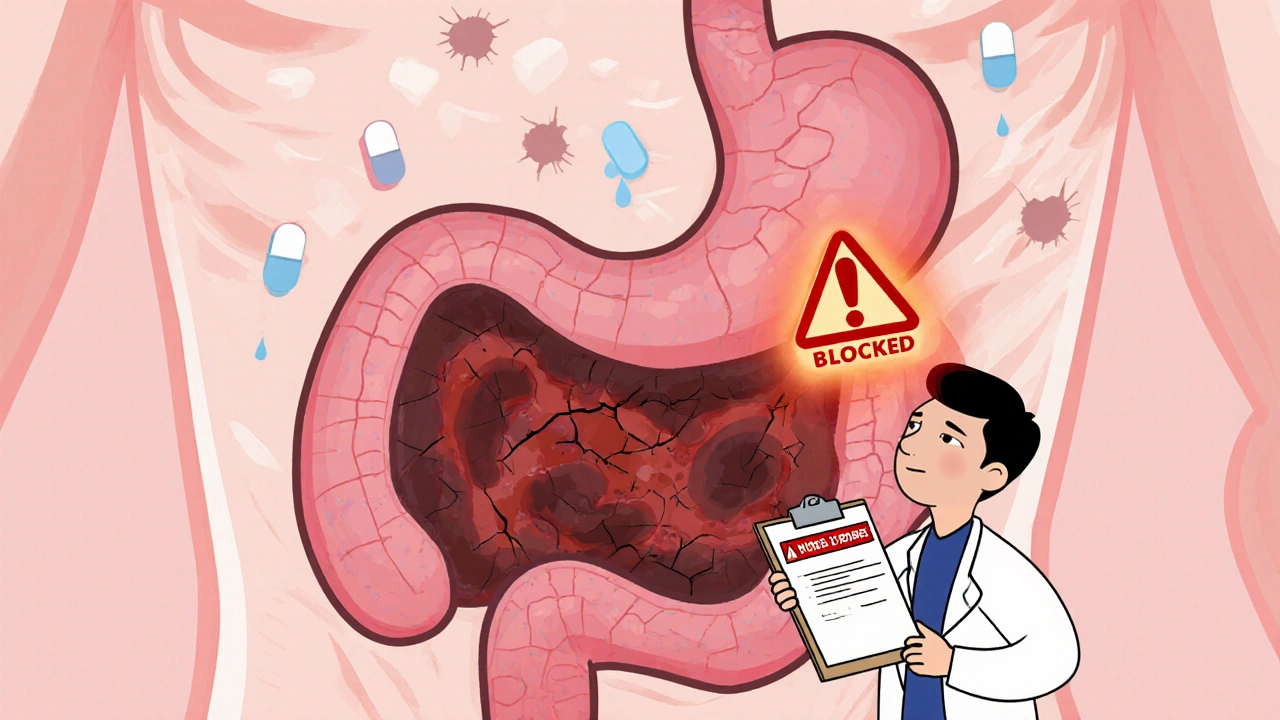
NSAID Side Effects: What You Need to Know Before Taking Them
When you reach for ibuprofen, naproxen, or aspirin to ease a headache, sore muscles, or joint pain, you’re using a type of drug called NSAIDs, nonsteroidal anti-inflammatory drugs that reduce pain and swelling without steroids. Also known as nonsteroidal anti-inflammatories, these drugs are everywhere—from medicine cabinets to grocery store shelves. But just because they’re easy to get doesn’t mean they’re harmless. Many people assume NSAIDs are safe because they’re sold without a prescription, but even short-term use can cause real harm, especially if you’re over 65, have high blood pressure, or take other meds daily.
One of the most common dangers is stomach ulcers, open sores in the lining of the stomach or intestines caused by NSAIDs blocking protective enzymes. You might not feel anything until it’s too late—no burning, no warning, just sudden bleeding. Older adults are especially at risk, and that’s why the Beers Criteria lists NSAIDs as drugs seniors should often avoid. Another hidden threat is kidney damage, reduced kidney function from long-term or high-dose NSAID use, especially when combined with dehydration or diuretics. Your kidneys don’t scream when they’re under stress; they just slowly lose ability to filter waste. And if you’re on blood pressure meds, NSAIDs can make them less effective, turning a manageable condition into a dangerous one.
NSAIDs don’t just hurt your insides—they can mess with your heart too. Studies show even brief use raises the risk of heart attack or stroke, especially in people with existing heart disease. And if you’re mixing them with other sedating drugs, like sleep aids or antihistamines, the side effects stack up fast. It’s not just about the pill you take—it’s about the whole mix in your body. That’s why pharmacist collaboration and medication reviews matter so much. A single check-in with your pharmacist could catch a dangerous combo before it causes harm.
Below, you’ll find real, practical guides on how NSAIDs interact with other drugs, who’s most at risk, how to spot early signs of trouble, and what safer alternatives exist. You’ll learn how to talk to your doctor about these risks, how to recognize when side effects are turning into emergencies, and how tools like remote monitoring apps are helping people catch problems before they land in the ER. This isn’t about scaring you off NSAIDs—it’s about giving you the facts so you can use them wisely.