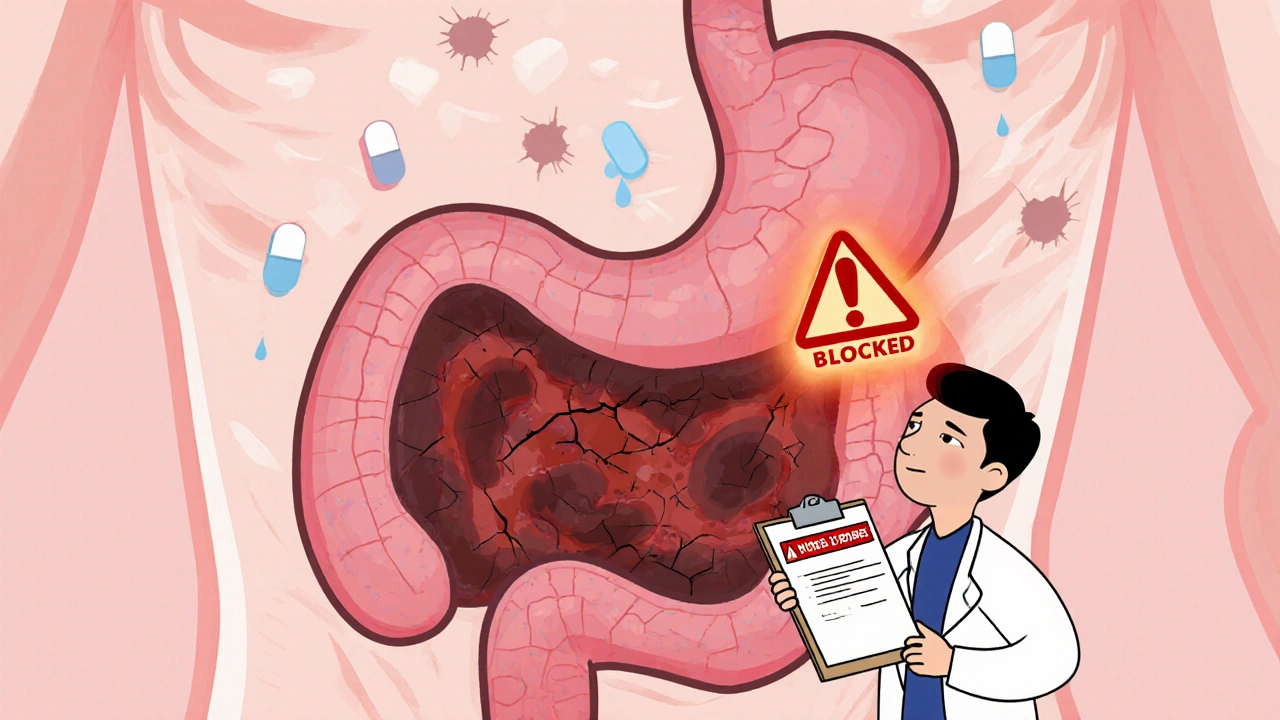
NSAID Safety: What You Need to Know About Pain Relievers and Risks
When you reach for NSAIDs, nonsteroidal anti-inflammatory drugs used to reduce pain, fever, and inflammation. Also known as non-narcotic painkillers, they’re one of the most common types of medication people take daily—often without thinking twice. But NSAID safety isn’t just about popping a pill when your back hurts. It’s about understanding who’s at risk, what’s happening inside your body, and why something so simple can cause serious harm.
Many people don’t realize that gastrointestinal bleeding, a dangerous side effect linked to long-term NSAID use can happen without warning. It’s not just older adults—anyone taking NSAIDs regularly, even at low doses, can develop ulcers or internal bleeding. And it’s not just your stomach. Kidney damage, caused by reduced blood flow from prolonged NSAID use is another hidden risk, especially if you’re dehydrated, have high blood pressure, or already have kidney issues. These aren’t rare events. Studies show that NSAIDs contribute to over 100,000 hospitalizations in the U.S. each year.
It’s not just about the drug itself—it’s about what else you’re taking. Mixing NSAIDs with blood thinners, steroids, or even some antidepressants can multiply the danger. And if you’re over 65, have heart disease, or take multiple prescriptions, your risk jumps fast. That’s why the Beers Criteria, a guide doctors use to flag risky medications for seniors lists several NSAIDs as potentially inappropriate for older adults. But you don’t have to be elderly to be at risk. Even young people who use ibuprofen every day for headaches or menstrual cramps are building up silent damage.
NSAID safety means knowing when to stop and when to ask for help. If you’ve been taking them for more than a few weeks, you should talk to your doctor—not just about pain relief, but about your stomach, your kidneys, and your heart. Safer alternatives exist. Some people find relief with acetaminophen, physical therapy, or even topical treatments. Others need a different approach entirely. The goal isn’t to avoid painkillers forever—it’s to use them wisely.
Below, you’ll find real, practical guides that break down exactly what goes wrong when NSAIDs are misused, who’s most vulnerable, and how to protect yourself without giving up relief. From how they interact with other meds to why some people shouldn’t take them at all, these posts give you the facts—not fear, not hype, just what you need to know to stay safe.