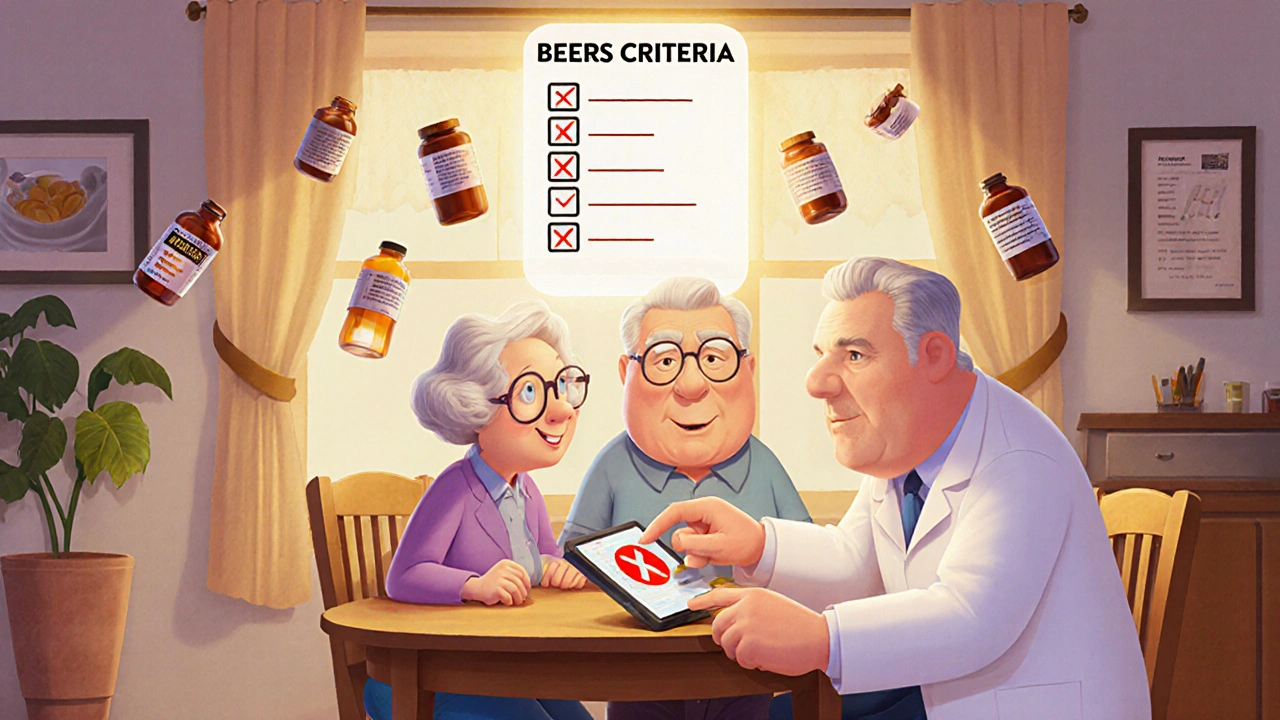
Inappropriate Medications for Seniors: What to Avoid and Why
When it comes to inappropriate medications for seniors, drugs that are safe for younger adults but carry high risks for older bodies. Also known as potentially inappropriate medications, these are prescriptions or over-the-counter drugs that can cause falls, confusion, kidney damage, or even death in people over 65. It’s not about age alone—it’s about how the body changes. Liver and kidney function slow down. Muscle mass drops. Brain chemistry shifts. What was a harmless pill at 40 can become a hazard at 70.
One major group of risky drugs is NSAIDs, nonsteroidal anti-inflammatory drugs like ibuprofen and naproxen. These are common for joint pain, but they’re a top cause of stomach bleeding and kidney failure in older adults. Studies show seniors on long-term NSAIDs are twice as likely to be hospitalized for gastrointestinal issues. Then there are anticholinergic drugs, medications that block acetylcholine, a key brain chemical. These include older antihistamines like Benadryl, some bladder pills, and even certain antidepressants. They cause dizziness, dry mouth, constipation—and worse, they’re linked to faster memory decline and higher dementia risk over time.
Another hidden danger is benzodiazepines, sleep aids and anti-anxiety meds like diazepam and lorazepam. They make seniors sleepy, wobbly, and prone to falls. A single fall can lead to a broken hip, surgery, and a downward spiral in health. Even over-the-counter sleep aids with diphenhydramine fall into this category. And let’s not forget opioids, painkillers like oxycodone and hydrocodone. They suppress breathing, which is especially risky for seniors with COPD or sleep apnea. Many don’t realize how quickly tolerance builds, leading to higher doses and more side effects.
It’s not that these drugs are always wrong—they’re just wrong for many seniors. The real issue is polypharmacy: taking five, six, or more medications at once. Each new pill adds risk. A drug that’s fine alone can become dangerous when mixed with another. That’s why pharmacists now use tools like the Beers Criteria to flag risky combinations. It’s not about cutting all meds—it’s about replacing the unsafe ones. For pain, acetaminophen is often safer than NSAIDs. For allergies, non-drowsy antihistamines like loratadine beat Benadryl. For sleep, better habits and light therapy beat pills. And for anxiety, therapy and movement often work better than benzodiazepines.
You don’t need to guess what’s safe. Doctors and pharmacists can review your full list and spot the red flags. If you’re managing meds for a parent or yourself, start by asking: "Is this still necessary?" "Is there a safer alternative?" "Could this be causing my dizziness or confusion?" The answers might surprise you. The posts below dive into real cases—how NSAIDs damage kidneys, why certain sleep aids increase fall risk, how anticholinergics quietly hurt the brain, and what alternatives actually work. You’ll find practical guides on spotting dangerous combos, using pill organizers to avoid mistakes, and how to talk to your doctor about switching meds. This isn’t about fear. It’s about control. Your body isn’t broken—it just needs different tools.