GI Risks from NSAIDs: What You Need to Know Before Taking Them
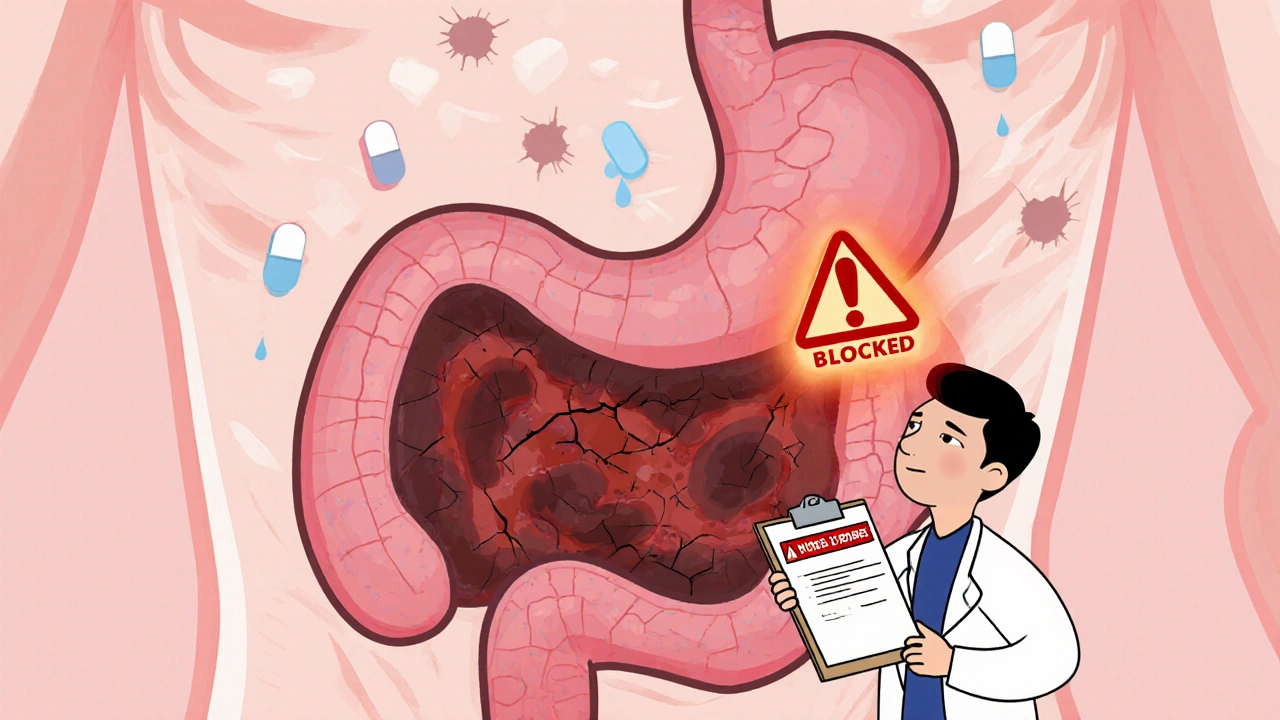
When you take a painkiller like ibuprofen or naproxen, you’re not just targeting your sore knee or headache—you’re also affecting your gastrointestinal tract, the system of organs responsible for digesting food and absorbing nutrients, including the stomach and intestines. Also known as the GI tract, this system is vulnerable to damage from even short-term use of NSAIDs, nonsteroidal anti-inflammatory drugs used to reduce pain, fever, and inflammation. These drugs block enzymes that protect the stomach lining, leaving it open to acid damage. That’s why GI risks from NSAIDs are one of the most common reasons people end up in the ER—not because they took too much, but because they thought it was safe.
It’s not just older adults at risk. While seniors are more likely to suffer complications, anyone using NSAIDs regularly—even just a few pills a week—can develop ulcers, bleeding, or perforations. People with a history of stomach problems, those on blood thinners, or anyone over 60 face higher danger. And here’s the catch: you might not feel anything until it’s serious. No burning? No nausea? That doesn’t mean your stomach is fine. Studies show up to half of people with NSAID-induced ulcers have no warning signs. The damage builds silently, like rust under paint.
That’s why knowing your alternatives matters. Diacerein, a slow-acting joint protectant used for osteoarthritis, offers pain relief without attacking your gut. Acetaminophen, a common pain reliever that doesn’t affect stomach lining, is often safer for long-term use. And for chronic pain, non-drug options like physical therapy or heat wraps can reduce reliance on pills altogether. Even small changes—like taking NSAIDs with food, avoiding alcohol, or switching to a coated pill—can lower your risk.
The posts below dive into real-world ways people manage these risks. You’ll find guides on safer pain relief for seniors, how to spot early signs of internal bleeding, and what medications to avoid if you’re already on blood thinners. There’s also advice on how pharmacists help catch dangerous combos before they happen—because you shouldn’t have to guess whether your painkiller is safe for your stomach. Whether you’ve been taking NSAIDs for years or just started, this collection gives you the facts you need to protect your gut without giving up relief.