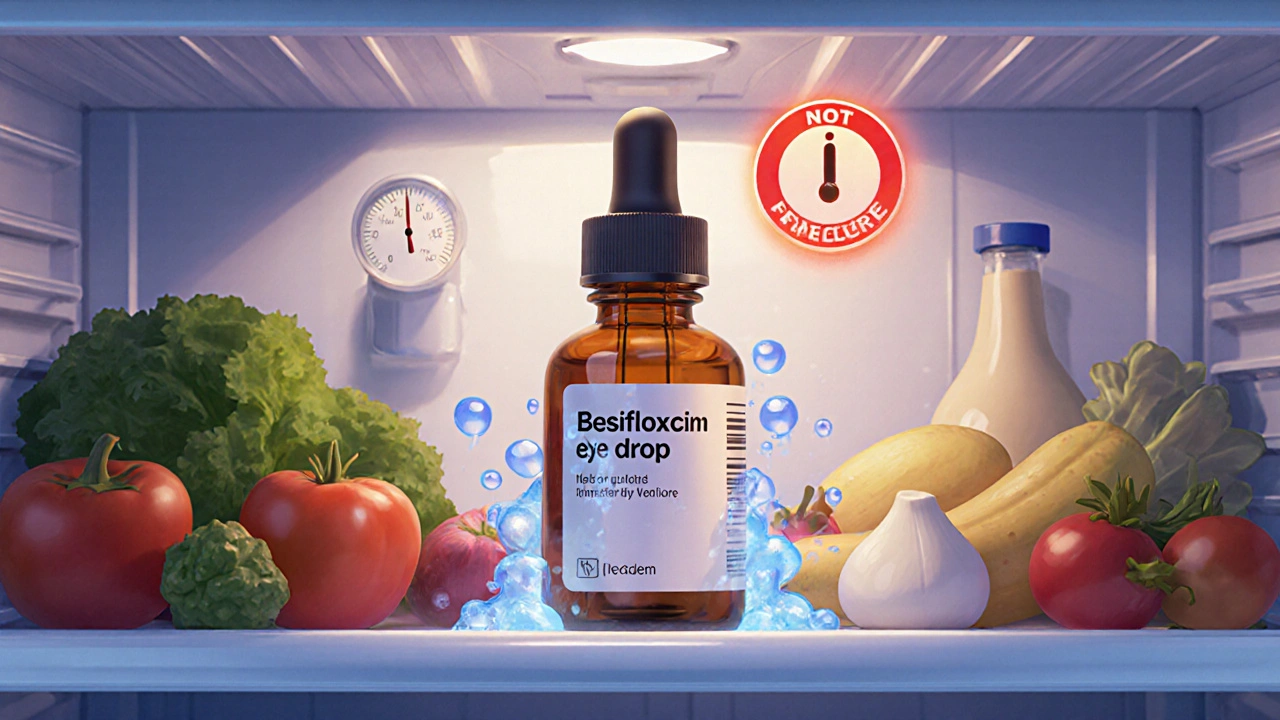
Eye Drop Storage: How to Keep Your Eye Medications Safe and Effective
When you use eye drops, liquid medications applied directly to the eye to treat infections, glaucoma, allergies, or dryness. Also known as ophthalmic solutions, they’re designed to be sterile and stable—but only if stored correctly. A single mistake in storage can turn a life-changing treatment into a risk for infection or reduced effectiveness. Many people assume eye drops last forever, but that’s not true. Even unopened bottles have expiration dates, and once opened, most lose their sterility within weeks.
One of the biggest issues is contamination, when bacteria or fungi enter the bottle through dirty hands, dropper tips, or poor storage. That’s why you should never let the tip touch your eye, eyelid, or any surface. And don’t share your drops—even with family members. Another key factor is temperature, how heat, cold, or light affects the chemical stability of the medication. Some eye drops, like certain glaucoma meds or antibiotic suspensions, need refrigeration. Others, like artificial tears or antihistamine drops, do best at room temperature. Check the label. If it says "store at 2°C to 8°C," put it in the fridge. If it says "keep at room temperature," leave it out—away from the bathroom sink, where steam and moisture ruin them.
Expiration isn’t just a suggestion. Even if the bottle looks fine, the preservatives inside break down over time. After opening, most eye drops should be thrown out after 28 days, unless the manufacturer says otherwise. Some newer formulations have longer shelf lives, but you still need to write the opening date on the bottle. And never use drops that look cloudy, discolored, or have particles floating in them. That’s not normal. It’s a red flag.
What about travel? If you’re flying, keep your drops in your carry-on. Checked baggage can freeze or get crushed. If you’re on a long trip, consider buying single-use vials—they’re sterile, portable, and don’t need refrigeration. For seniors or caregivers managing multiple medications, keeping eye drops in a labeled, dry container next to other daily meds helps avoid mix-ups. Don’t stash them in a drawer with cleaning supplies or near the kitchen stove.
There’s a reason pharmacists ask if you store your drops in the fridge. It’s not about being picky—it’s about safety. A single contaminated drop can cause a corneal ulcer, which can lead to permanent vision loss. That’s not rare. It happens more often than you think. And it’s almost always preventable.
Below, you’ll find real advice from people who’ve been there—how to tell if your drops are still good, which ones actually need cold storage, and what to do when you accidentally leave them in a hot car. These aren’t guesses. They’re lessons learned from mistakes, medical reports, and pharmacy guidelines.