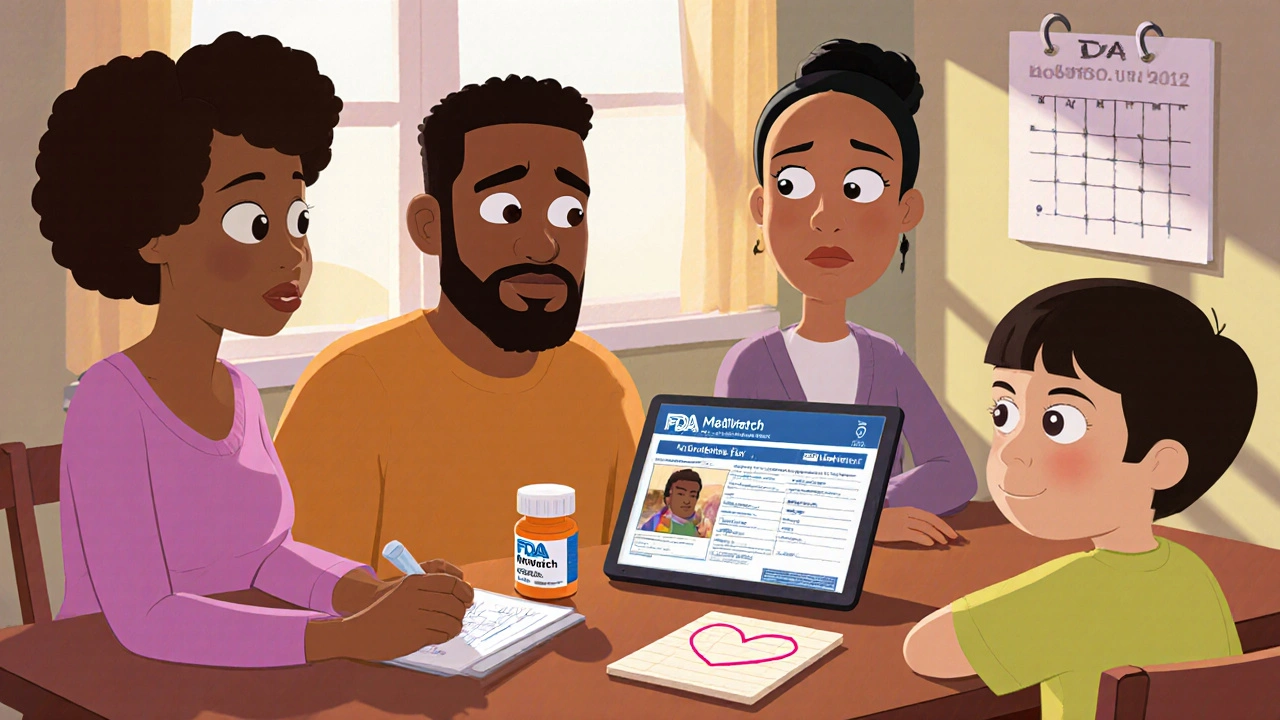
Adverse Event Reporting: What You Need to Know About Drug Side Effects and Safety
When a medicine causes an unexpected or harmful reaction, that’s called an adverse event reporting, the formal process of documenting and submitting information about harmful reactions to medications. It’s not just for doctors—it’s for anyone who takes pills, uses inhalers, or gets injections. Whether it’s dizziness after a new blood pressure drug, a rash from an antibiotic, or trouble breathing after a vaccine, these reports help regulators and pharmacies like Shiner Family Pharmacy spot dangerous patterns before more people get hurt. This system, also known as pharmacovigilance, the science and activities related to detecting, assessing, understanding, and preventing adverse effects of medicines, is how we keep drugs safe after they hit the market. The FDA, EMA, and other agencies rely on these real-world reports because clinical trials only involve a few thousand people—and side effects can hide until millions are using a drug.
Adverse events aren’t always allergies. A drug interaction, a reaction that happens when two or more medications affect each other’s behavior in the body might make you drowsy, raise your blood pressure, or cause bleeding. That’s why mixing antihistamines with sleep aids or opioids can be risky, as shown in posts about sedating meds. Or take medication safety, the practice of minimizing risks and errors when prescribing, dispensing, or taking drugs: a pharmacist catching a dangerous combo before you fill your script can prevent a hospital visit. These aren’t hypotheticals. Posts on COPD and anticoagulants show how one wrong drug can make breathing worse or trigger uncontrolled bleeding. Even something as simple as a common antihistamine can impair your ability to work safely—something your employer doesn’t know unless someone reports it.
Reporting doesn’t mean you have to be a medical expert. You just need to notice something’s off. Did your headache get worse after starting a new pill? Did your joint pain return after switching brands? Did your kid get unusually tired after a new allergy med? Write it down: what you took, when, and what happened. Share it with your pharmacist or doctor—they’ll help you file it properly. These reports go into national databases and are reviewed by teams who decide if a drug needs a stronger warning, a dose change, or even to be pulled. Your voice adds real data that lab studies miss. And in a world where generic drugs cross borders, where mental health meds carry stigma, and where climate change affects drug safety, this system is more important than ever. Below, you’ll find real stories and guides from people who’ve lived through these issues—and learned how to speak up.