

Steroid Hyperglycemia Insulin Calculator
Steroid Insulin Adjustment Calculator
This calculator helps determine how much additional insulin is needed when taking steroids for diabetes management. Based on medical guidelines, it calculates increased insulin requirements for both basal and mealtime doses.
Recommended Adjustments
Enter your current insulin doses and steroid dose to see recommendations.
When someone with diabetes starts taking steroids-whether for asthma, rheumatoid arthritis, or after an organ transplant-they often face a sudden and dangerous spike in blood sugar. This isn't just a temporary inconvenience. It's steroid hyperglycemia, a well-documented condition where glucocorticoids like prednisone or hydrocortisone disrupt the body’s ability to control glucose. For many, insulin needs jump by 30% to 100%, and if not managed properly, this can lead to diabetic ketoacidosis, hospitalization, or even death. The good news? With the right adjustments, it’s preventable.
Why Steroids Cause Blood Sugar to Spike
Steroids don’t just reduce inflammation-they interfere with how your body uses insulin. When you take them, your liver starts pumping out more glucose, your muscles stop responding to insulin, and your pancreas struggles to make enough of it. The result? Blood sugar rises, especially after meals. This isn’t random. It’s a direct effect of how glucocorticoids bind to receptors in liver, fat, and muscle cells, blocking insulin’s signal. Studies show that over 50% of people on high-dose steroids develop hyperglycemia, and nearly half maintain average glucose levels above 140 mg/dL.What makes this worse is timing. Steroids taken in the morning cause the biggest spike 4 to 8 hours later. That means breakfast and lunch are the real danger zones. Fasting glucose tests? They miss up to 20% of cases. If you’re only checking your sugar in the morning, you’re flying blind.
Who’s at Highest Risk?
Not everyone reacts the same way. People with pre-existing type 2 diabetes are at the greatest risk, but even those without diabetes can develop steroid-induced hyperglycemia. Key risk factors include:- History of diabetes or prediabetes
- Age over 65
- BMI over 30
- Family history of diabetes
- Long-term steroid use (more than 7 days)
- Use of other immunosuppressants like tacrolimus or mycophenolate
- Low magnesium levels
- Chronic hepatitis C
One study found that patients on tacrolimus (common after transplants) had a 35-45% higher chance of developing high blood sugar. Combine that with steroids, and the risk multiplies. Even small changes in magnesium-just a 0.1 mg/dL drop-can raise hyperglycemia risk by 10-15%.
How Much More Insulin Do You Need?
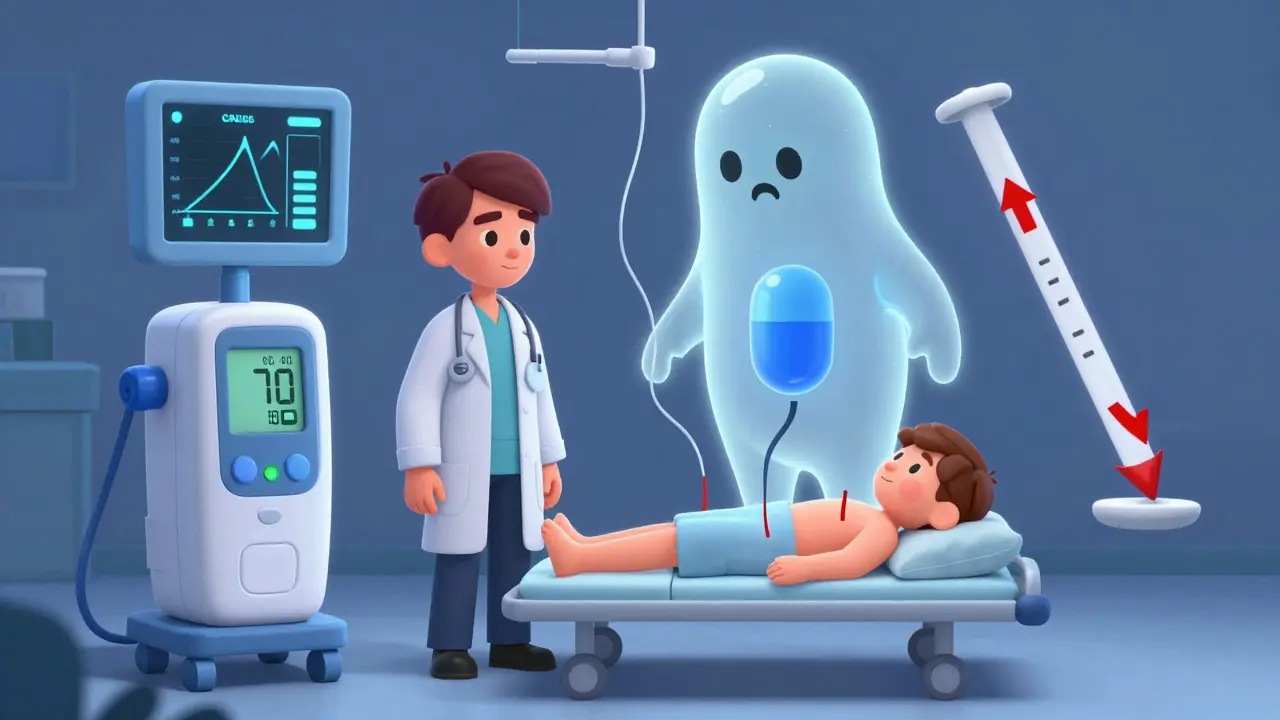
There’s no one-size-fits-all answer, but patterns are clear. For patients with existing diabetes, starting a steroid course typically means increasing total daily insulin by 30-50%. If you’re on high doses-equivalent to 100 mg of prednisone or more daily-you may need to double your insulin.Here’s what experts recommend:
- Basal insulin (long-acting): Increase by 20-30%
- Bolus insulin (rapid-acting): Increase by 50-100%, especially for breakfast and lunch
- Insulin type matters: Rapid-acting analogs like lispro or aspart respond better to steroid-induced spikes than regular insulin
For example, if someone normally takes 40 units of basal insulin and 30 units of mealtime insulin daily, and starts 40 mg of prednisone, they may need to move to 52 units of basal and 60-90 units of bolus insulin. The increase isn’t even across the day. Most of the extra insulin goes into covering breakfast and lunch because that’s when the steroid peaks.
When to Adjust-And When to Back Off
The biggest mistake isn’t giving too much insulin-it’s not taking enough away when the steroid dose drops. Many patients are discharged from the hospital with the same insulin regimen they had during high-dose steroid therapy. That’s a recipe for hypoglycemia. Studies show that 18% of hospital readmissions within 30 days of steroid discontinuation are due to low blood sugar from unchanged insulin doses.Here’s the rule: Reduce insulin as you reduce steroids. For every 10 mg drop in prednisone equivalent, cut total daily insulin by 10-20%. If you’re tapering from 60 mg to 50 mg over a week, don’t wait until the end to adjust. Start reducing insulin as soon as the steroid dose goes down.
Also, don’t rely on fasting glucose. Check your sugar before and after meals. Continuous glucose monitors (CGMs) are game-changers. One study found that CGM users adjusted insulin doses 37% more accurately than those using fingersticks. Real-time data lets you see how each meal and steroid dose affects your numbers.
What About Oral Medications?
Most oral diabetes drugs are ineffective during steroid therapy. Metformin? It helps a little, but won’t stop a steroid spike. SGLT2 inhibitors? Risk of ketoacidosis goes up. DPP-4 inhibitors? Too weak. Sulfonylureas? They can cause dangerous lows when the steroid tapers.Insulin is the only reliable option. Even patients who’ve never needed insulin before may need it during steroid treatment. That’s not a failure-it’s physiology. Your body can’t handle the double hit of insulin resistance and reduced insulin production.
Real-World Experience: What Patients Say
Online communities are full of stories. On Reddit’s r/diabetes, over 140 patients reported needing 30-100% more insulin during steroid courses. Many said their rapid-acting insulin doses had to be raised more than their long-acting ones. One patient wrote: “I went from 8 units of Humalog per meal to 16. I had to test every 2 hours. I felt like I was on a rollercoaster.”Another common complaint? Unpredictable drops during tapering. A survey of 1,245 people found that 65% struggled to adjust insulin as steroid doses decreased. That’s why many hospitals now use structured protocols-like the Umpierrez method-that tie insulin changes directly to steroid dose reductions.
Tools That Help
Hospitals are starting to use decision-support tools like EndoTool and Glytec’s eGlucose system. These programs take in steroid dose, weight, baseline glucose, and insulin history to recommend exact adjustments. Hospitals using these tools saw a 27% drop in hyperglycemia and a 33% drop in hypoglycemia during steroid tapering.Even better? New AI models are predicting insulin needs with 85% accuracy. The 2023 ADVANCE trial used a machine learning algorithm that factored in steroid dose, BMI, and HbA1c to predict required insulin increases. Patients using it had 41% fewer high blood sugar episodes.
What to Do Right Now
If you’re starting steroids:- Test your blood sugar at least 4 times a day-fasting, after breakfast, after lunch, and before bed.
- Don’t wait for symptoms. High sugar doesn’t always make you feel sick.
- Work with your endocrinologist or diabetes educator to adjust insulin before you start steroids.
- Use a CGM if possible. It’s the most reliable tool.
- Write down your steroid dose and insulin changes daily.
- When tapering, reduce insulin by 10-20% for every 10 mg drop in prednisone equivalent.
And if you’re a provider? Don’t assume oral meds will hold up. Don’t rely on fasting glucose. Don’t discharge patients with unchanged insulin. This isn’t guesswork-it’s science with clear guidelines.
What’s Next?
By 2027, 75% of U.S. hospitals are expected to have formal steroid hyperglycemia protocols. But right now, many still don’t. That’s why education matters. Primary care doctors, rheumatologists, and transplant teams need to know this isn’t just “diabetes acting up.” It’s a distinct, predictable, and manageable condition. With the right plan, people can get the steroids they need without risking their health.Can steroids cause diabetes in people who don’t have it?
Yes. Steroid-induced diabetes (SIDM) is a real condition that can develop in people with no prior history of diabetes. About 40% of patients on high-dose steroids develop new-onset hyperglycemia. This usually resolves after steroids are stopped, but some people go on to develop permanent type 2 diabetes, especially if they had risk factors like obesity or prediabetes.
Is it safe to use metformin with steroids?
Metformin alone is not enough to control steroid-induced hyperglycemia. While it can help with insulin resistance, it doesn’t address the reduced insulin production caused by steroids. Most patients will still need insulin. Metformin may be continued if kidney function is normal, but it should not be relied on as the primary treatment.
Why does my blood sugar spike after lunch but not dinner?
Most steroids are taken in the morning. Their peak effect happens 4-8 hours later, which aligns with breakfast and lunch. By dinner, the steroid level has dropped, so insulin resistance is lower. That’s why mealtime insulin needs are highest for breakfast and lunch, and often not needed for dinner during steroid therapy.
Can I use an insulin pump during steroid therapy?
Yes, and it’s often ideal. Insulin pumps allow for precise, flexible dosing and can be programmed with multiple basal rates. Many people on steroids use temporary basal rate increases during the day and reduce them at night. Bolus doses can be adjusted for meals based on real-time glucose readings. Continuous glucose monitoring (CGM) integration makes this even safer.
What happens if I don’t adjust my insulin when taking steroids?
Uncontrolled hyperglycemia can lead to diabetic ketoacidosis (DKA), especially in type 1 diabetes, or hyperosmolar hyperglycemic state (HHS) in type 2. Both are medical emergencies. Long-term, repeated spikes can damage kidneys, nerves, and blood vessels. Studies show that patients who don’t adjust insulin during steroid therapy are 3 times more likely to be hospitalized.
How long does steroid hyperglycemia last after stopping steroids?
For most people, blood sugar returns to normal within days to weeks after stopping steroids. But if you had prediabetes or other risk factors, your body may not fully recover. Some people develop permanent type 2 diabetes. That’s why follow-up glucose testing 3-6 months after stopping steroids is recommended.
Kevin Siewe
March 23, 2026 AT 22:48Just wanted to say this post saved my life last year when I started prednisone for my rheumatoid flare. Went from 45 units total insulin to 92 in a week. CGM was a game-changer - I could see the spike hit at 10 a.m. every day. Adjusting breakfast bolus by 70% made all the difference. Don’t wait for symptoms. Test early, test often.
Also - if you’re on a pump, program a temporary basal increase from 7 a.m. to 4 p.m. It’s not magic, but it’s science.
Thanks for laying this out so clearly.
Chris Farley
March 25, 2026 AT 06:38Y’all act like insulin is the only answer. What about fasting? Intermittent fasting cuts insulin resistance. Why are we just throwing more drugs at the problem? Big Pharma loves this stuff. Steroids are natural - your body makes cortisol. You’re just scared of real solutions.
Darlene Gomez
March 25, 2026 AT 10:22Chris, I get where you’re coming from - natural is nice, but when your blood sugar hits 480 and you’re dizzy, nature doesn’t care. I’ve been on steroids for lupus for 8 years. I’ve tried fasting, keto, supplements… nothing beats insulin when your liver’s on overdrive. This isn’t a lifestyle hack - it’s physiology. And honestly? I’m grateful someone wrote this so clearly. No judgment, just facts. Thank you.
Also - if you’re new to this, don’t panic. It’s temporary. You’re not failing. Your body’s just doing what it’s told.
Katie Putbrese
March 25, 2026 AT 14:55Insulin? Are you kidding? This is why America’s healthcare is broken. You’re just pumping people full of insulin because the system won’t pay for real treatment. Why not fix the inflammation instead? Why not stop prescribing steroids altogether? This is just profit-driven medicine. And now you’re telling people to double their insulin? That’s not care - that’s exploitation.
Jacob Hessler
March 27, 2026 AT 10:57lol so u mean if u take steroids u gotta use insulin? wtf. my cousin took prednisone for 2 weeks and never touched insulin. he just ate less bread. maybe u just need to stop being lazy. why not try exercise? or drink more water? u people are too dependent on meds.
Amber Gray
March 27, 2026 AT 19:20Same here 😭 I went from 6 units of Humalog to 18. My CGM was screaming at me like a smoke alarm. I cried. Then I called my doc. Now I just adjust before breakfast like clockwork. Steroids are wild. But u can survive it. U got this 💪
Danielle Arnold
March 28, 2026 AT 07:44Wow. A 12-page essay on how to give more insulin. Groundbreaking. Next up: ‘How to Drink Water When You’re Dehydrated.’
Jesse Hall
March 29, 2026 AT 12:50This is so helpful. I’ve been scared to talk about my insulin hikes because I felt like I was failing. But this? This makes it feel normal. Like, it’s not me being weak - it’s the science. Thank you for explaining the ‘why.’ And yes, CGM is magic. I didn’t believe it until I saw my numbers after lunch. Now I’m telling everyone I know. You’re a lifesaver 🙏
Donna Fogelsong
March 29, 2026 AT 16:44They’re hiding the truth. Steroids are a gateway. The CDC knows this. The insulin industry funds the studies. They want you dependent. Watch the 2023 ADVANCE trial funding - it’s all from Eli Lilly. This isn’t medicine. It’s a control system. Your glucose monitor? It’s tracking you. Your pump? It’s a beacon. Wake up.
Sean Bechtelheimer
March 29, 2026 AT 21:25lol i knew it. they're using steroids to turn diabetics into insulin zombies. i saw a video on tiktok where a guy said his pump beeped 17 times in one day. that's not medicine. that's surveillance. 🤖💉 #steroidcontrol #wakeupsheeple
Seth Eugenne
March 30, 2026 AT 11:39Just wanted to echo what Kevin said - this is one of the clearest, most compassionate guides I’ve seen. I’m a nurse and I’ve seen so many patients get discharged with the same insulin dose they had on 80mg of prednisone. It’s terrifying. I’ve started using this as a handout for my patients. Also - if you’re on a pump, try setting a 12-hour temporary basal increase. It’s not perfect, but it’s a lot better than guessing.
And to anyone reading this: you’re not alone. This is hard. But you’re doing better than you think.