

When you start a new medication, you’re not just signing up for the benefits-you’re also signing up for the unknown. Some side effects show up right away. Others creep in slowly, masked by other health issues or dismissed as just part of aging. The problem? Many serious reactions go unnoticed until it’s too late. That’s why routine monitoring isn’t optional-it’s essential.
Why Side Effects Hide Until It’s Too Late
Clinical trials test drugs on thousands of people, but that’s still a tiny slice of the real world. Trials exclude older adults, pregnant women, and people taking five or more medications. Yet in reality, nearly half of adults over 65 are on multiple prescriptions. That’s when hidden interactions surface-like when a blood pressure pill teams up with a common painkiller and suddenly knocks your potassium levels into danger zone. The FDA’s database of reported side effects, FAERS, has data on 11 million patients. Sounds big, right? But studies show only about 6% of serious reactions ever make it into that system. Why? Because patients don’t connect the dots. They feel dizzy after starting a new drug and think, "Maybe I didn’t sleep well." Or their doctor sees a slightly elevated liver enzyme and assumes it’s from alcohol, not the statin. This gap is why we need smarter ways to catch problems before they become emergencies.What Tests Actually Matter-and When to Do Them
Not every medication needs a full lab panel. But some drugs demand specific checks at specific times. Here’s what real-world monitoring looks like:- Statins (cholesterol drugs): Liver enzymes (ALT, AST) checked at 3 months after starting, then every 6-12 months. If you’re over 70 or have diabetes, check at 1 month first.
- ACE inhibitors or ARBs (blood pressure meds): Kidney function (creatinine, eGFR) and potassium levels tested before starting, then at 1-2 weeks, then every 3 months. A sudden rise in creatinine could mean your kidneys are struggling with the drug.
- Lithium (for bipolar disorder): Blood levels checked every 3-6 months, even if you feel fine. Lithium’s safe range is narrow-too low, and it doesn’t work. Too high, and it can cause tremors, confusion, or kidney damage.
- Metformin (diabetes drug): Vitamin B12 levels every 2-3 years. Long-term use can cause a silent deficiency that leads to nerve damage if unchecked.
- Antibiotics like linezolid: Blood counts every 2 weeks if you’re on it longer than 2 weeks. It can suppress bone marrow without warning.
How Technology Is Changing the Game
For decades, doctors relied on patients to report symptoms or on pharmacies to flag interactions. Now, the real magic is happening behind the scenes in electronic health records. Researchers at Stanford figured out how to mine doctors’ handwritten notes-yes, the messy ones-and turn them into early warnings. They trained computers to scan phrases like "patient reports new tingling in fingers since starting metformin" or "fatigue worse after adding lisinopril." These aren’t coded data points. They’re real human observations, buried in text. And this method spotted side effects nearly two years before the FDA issued official alerts. It works because it’s not waiting for someone to file a report. It’s watching what’s already being documented during every visit. That’s the difference between passive reporting and active surveillance. Clinics with advanced systems now use Clinical Decision Support Tools (CDSS) that pop up alerts when a doctor tries to prescribe a drug that might clash with something the patient is already taking. These tools don’t replace judgment-they enhance it. One study showed a 30% drop in preventable adverse events in hospitals using these systems.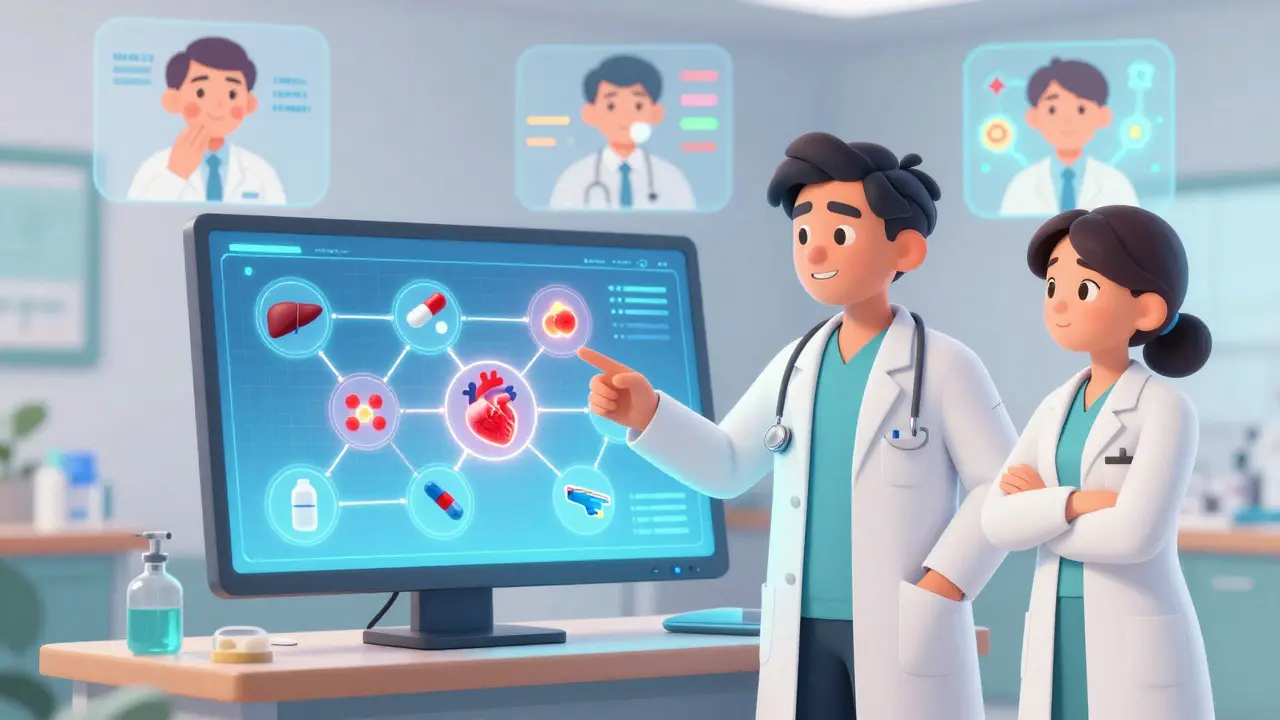
What You Can Do Right Now
You don’t need fancy tech to protect yourself. Start with a simple log. Keep a notebook or use your phone’s notes app. Write down:- What you took (name, dose, time)
- What you felt (dizziness? rash? nausea? insomnia?)
- When it started (within hours? after a week?)
- How bad it was (1-10 scale: 1 = barely noticeable, 10 = couldn’t get out of bed)
- What else changed (new food, alcohol, stress, sleep pattern?)
The Big Challenge: Polypharmacy
The real danger isn’t one drug. It’s five. Or seven. Or ten. As people age, they often end up on multiple meds for heart disease, diabetes, arthritis, depression, and more. Each drug has its own side effect profile. But when they mix? The interactions are unpredictable. One drug might slow how another is broken down. Another might make your kidneys work harder. And your body? It doesn’t have a manual. Doctors struggle with this too. FAERS can’t track complex combinations well. A 2022 study found that nearly 70% of serious side effects in older adults involved three or more drugs. Yet most systems still check for interactions between two drugs at a time. The solution? Regular med reviews. Ask your doctor or pharmacist: "Can we go through everything I’m taking every 6 months?" Bring your list-physical or digital. Don’t assume they know what you’re on. Many patients forget to mention supplements, OTC painkillers, or herbal teas.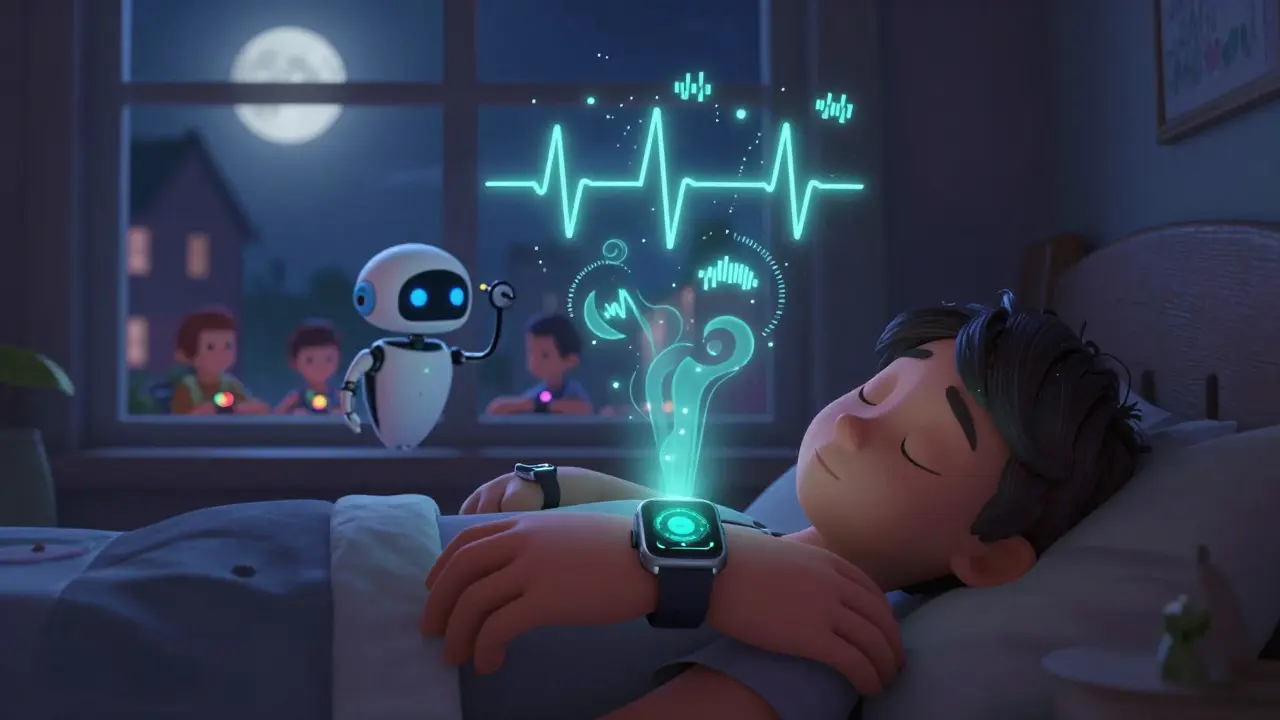
What’s Next for Monitoring?
The future isn’t just about labs or notes. It’s about wearables, apps, and AI working together. Some trials now use smartwatches to track heart rate variability, sleep patterns, or activity levels. A sudden drop in daily steps might be the first sign of muscle weakness from a statin. A spike in nighttime heart rate could signal an electrolyte imbalance from a diuretic. Patient-reported apps are also growing. Instead of waiting for your next appointment, you can report symptoms weekly. That data feeds back into systems that flag trends-like if 10 other people on the same drug report the same symptom within a month. The FDA is starting to accept this kind of real-world evidence. That means the next drug alert might come not from a hospital report, but from a thousand patients typing "I feel weird after taking this" into an app.Bottom Line: Be the First Line of Defense
No system is perfect. Not the labs. Not the alerts. Not even the FDA’s database. The most reliable early warning system you have is you. Know your meds. Track your body. Ask questions. Don’t wait for a doctor to notice something’s off. If you feel different after starting a new drug, write it down. Bring it up. Even if it seems small. Side effects aren’t always dramatic. Sometimes they’re just… off. A little more tired. A little more anxious. A little more forgetful. Those are the quiet alarms. And they’re the ones that, if caught early, can save you from hospital visits, permanent damage, or worse. Monitoring isn’t about fear. It’s about control. You’re not just taking a pill. You’re managing your health-and that means paying attention.How soon after starting a new medication should I start monitoring for side effects?
Side effects can appear anytime-from minutes to months after starting a drug. For most medications, the first 2-4 weeks are the highest risk period. That’s when your body is adjusting. But some, like lithium or certain antidepressants, may take 6-8 weeks to show full effects or side effects. Always track symptoms from day one, even if you feel fine. Early signs are often subtle: mild nausea, slight dizziness, or trouble sleeping.
Can I rely on my pharmacy’s drug interaction checker?
Pharmacy interaction checkers are helpful but limited. They usually only flag interactions between two drugs and often miss interactions involving supplements, alcohol, or food. They also don’t account for your age, kidney or liver function, or other health conditions. Use them as a tool, not a safety net. Always discuss your full list of medications-including OTC pills, vitamins, and herbal teas-with your doctor or pharmacist.
Do I need blood tests for every new medication?
No. Only certain drugs require routine blood tests. Common ones include statins (liver enzymes), blood pressure meds like ACE inhibitors (kidney function and potassium), lithium (blood levels), and metformin (B12 after long-term use). Your doctor will tell you if testing is needed based on your medication, age, and health history. If you’re unsure, ask: "Is there a test I should have for this drug? When?"
What if I forget to track my symptoms?
It’s okay to miss a day. The goal isn’t perfection-it’s pattern recognition. Start simple: write down symptoms only when you notice something unusual. Use a sticky note on your bathroom mirror, a voice memo, or a notes app. Over time, you’ll start seeing connections. For example, if you always feel foggy after taking your afternoon pill, that’s a clue worth sharing with your doctor. Consistency matters more than frequency.
Are newer drugs safer than older ones?
Not necessarily. New drugs go through trials with thousands of people-but those trials last months, not years. Some side effects only show up after millions of people use the drug for years. Older drugs have more real-world data behind them. That’s why a 20-year-old blood pressure pill might be better understood than a new one with flashy marketing. Always ask: "How long has this been on the market? What do we know about long-term use?"
Can wearable devices help detect medication side effects?
Yes, and it’s already happening. Smartwatches can track heart rate, sleep quality, activity levels, and even skin temperature. A sudden drop in daily steps might signal muscle weakness from a statin. A spike in resting heart rate could point to an electrolyte imbalance. While these aren’t diagnostic tools yet, they’re powerful early indicators. If you wear one, pay attention to unusual trends-and share them with your doctor. They’re not replacing labs, but they’re adding valuable context.
clarissa sulio
February 1, 2026 AT 15:06Ansley Mayson
February 2, 2026 AT 15:38Bob Hynes
February 3, 2026 AT 14:07Marc Durocher
February 3, 2026 AT 19:06Nick Flake
February 4, 2026 AT 05:44Akhona Myeki
February 5, 2026 AT 18:32Chinmoy Kumar
February 7, 2026 AT 00:21Bridget Molokomme
February 8, 2026 AT 14:54Vatsal Srivastava
February 8, 2026 AT 16:26phara don
February 9, 2026 AT 21:06Hannah Gliane
February 11, 2026 AT 10:40Murarikar Satishwar
February 13, 2026 AT 05:37Dan Pearson
February 13, 2026 AT 12:29larry keenan
February 15, 2026 AT 08:21