

Millions of people take medications every day to manage asthma, autoimmune diseases, or infections. But one quiet, uncomfortable side effect often gets ignored: oral thrush. It’s not just a bad taste in your mouth-it’s a real fungal infection that can make eating, swallowing, and even speaking painful. If you’re using inhaled steroids, antibiotics, or immunosuppressants, your risk goes up. The good news? It’s treatable. And even better? You can often prevent it before it starts.
Why Medications Cause Oral Thrush
Oral thrush is caused by an overgrowth of Candida albicans, a type of yeast that lives naturally in your mouth. Normally, your body keeps it in check with good bacteria and a healthy immune system. But certain medications throw that balance off.Inhaled corticosteroids-used for asthma and COPD-are the most common culprit. When you spray the medicine into your throat without rinsing, it sticks to your mouth and throat, creating a perfect damp, sugary environment for Candida to multiply. Studies show up to 20% of people using these inhalers develop thrush. Antibiotics are another big one. They kill off the good bacteria that normally keep yeast under control. The same goes for immunosuppressants after organ transplants or for conditions like lupus. Cancer treatments like chemotherapy also weaken your body’s defenses, making it easier for the fungus to take over.
It’s not just about the drug itself-it’s how you use it. Not rinsing after using an inhaler, skipping oral hygiene, or having uncontrolled diabetes (high blood sugar feeds yeast) all stack the odds against you.
What Oral Thrush Looks and Feels Like
You’ll usually notice it right away. Thick, white patches on your tongue, inner cheeks, or throat that look like cottage cheese. These patches don’t brush off easily. If you scrape them, you might see red, raw areas underneath that bleed a little. Your mouth may feel sore, dry, or burning. Swallowing can become painful. Some people say food tastes off or metallic. In severe cases, the infection spreads to the esophagus, making it hard to swallow even liquids.It’s not just uncomfortable-it’s a sign your oral microbiome is out of whack. And if left untreated, it can linger for weeks or come back again and again, especially if you’re on long-term medication.
Nystatin: The Go-To Topical Treatment
For most people, especially those with mild to moderate thrush, nystatin is the first-line treatment. It’s been around since the 1950s and still works because it attacks the fungus directly without affecting your body’s other systems.You get it as a liquid suspension. The trick? You don’t swallow it. You swish 4 to 6 milliliters around your mouth for at least two minutes, then spit it out. Do this four times a day-after meals, ideally-for 7 to 14 days. The longer it sits in contact with the infection, the better it works. Many people fail because they swallow it too fast. Studies show 42% of treatment failures come from this mistake.
Why do doctors love it? It doesn’t get absorbed into your bloodstream. That means almost zero risk of drug interactions or liver damage. It’s safe for kids, pregnant women, and seniors. A 2022 review found it cures 92% of mild cases when used correctly. The downside? The taste is awful. Users on forums describe it as chalky, bitter, and unpleasant. But if you stick with it, it clears up most cases.
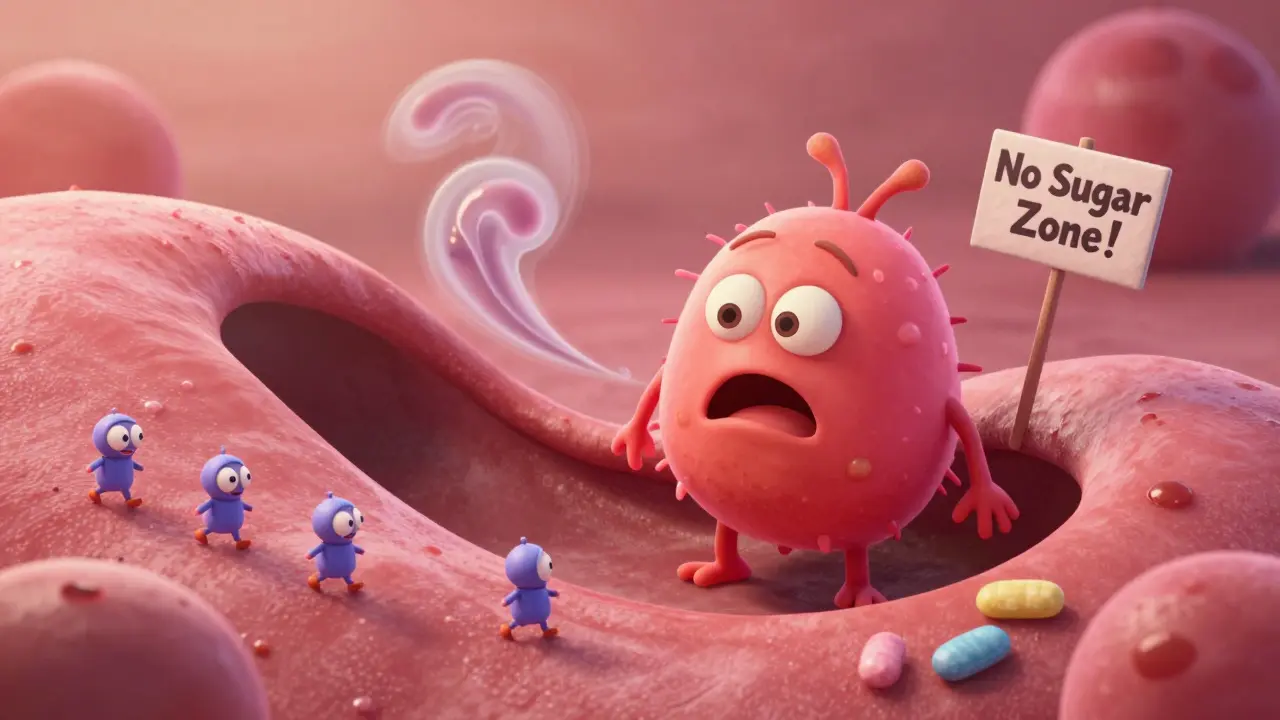
Fluconazole: When You Need Something Stronger
If nystatin doesn’t work-or if you have a severe infection, or you’re immunocompromised-doctors turn to fluconazole. It’s an oral pill that works systemically. You take it once a day for 7 to 14 days. It’s absorbed quickly, reaches peak levels in your blood within two hours, and kills Candida throughout your body.It’s more effective than nystatin-95% success rate compared to 89%-and way more convenient. No swishing, no four-times-daily dosing. But it comes with trade-offs. Fluconazole can interact with over 30 common medications, including blood thinners like warfarin, seizure drugs like phenytoin, and diabetes pills. It can also stress your liver. There are rare but serious cases of liver toxicity reported. The FDA requires warnings for this. If you have liver problems or are on other meds, your doctor needs to check your dosage.
There’s another concern: resistance. Candida is getting smarter. Fluconazole resistance has doubled since 2010, rising from 3% to 12% in 2022. That’s why doctors don’t use it for every case. They save it for when it’s truly needed.
Cost, Convenience, and Real-World Choices
Let’s talk money and ease. Generic nystatin costs about $16 for a 30-day supply. Generic fluconazole runs around $23. Brand-name Diflucan? Nearly $350. Most insurance covers both, but out-of-pocket, nystatin wins.Convenience? Fluconazole wins. One pill a day beats swishing four times a day. But if you’re an older adult, a child, or pregnant, nystatin is the safer pick. If you’re on multiple meds, nystatin won’t interfere. If you’ve had thrush before and it came back after fluconazole, resistance might be the issue.
Real people make choices based on their lives. One user on Reddit said they used nystatin for 10 days for thrush from their asthma inhaler. The taste was awful, but it worked. Another person took fluconazole for a yeast infection after antibiotics and got a headache and stomach pain-but didn’t have to swish anything. Neither is perfect. But both work when used right.
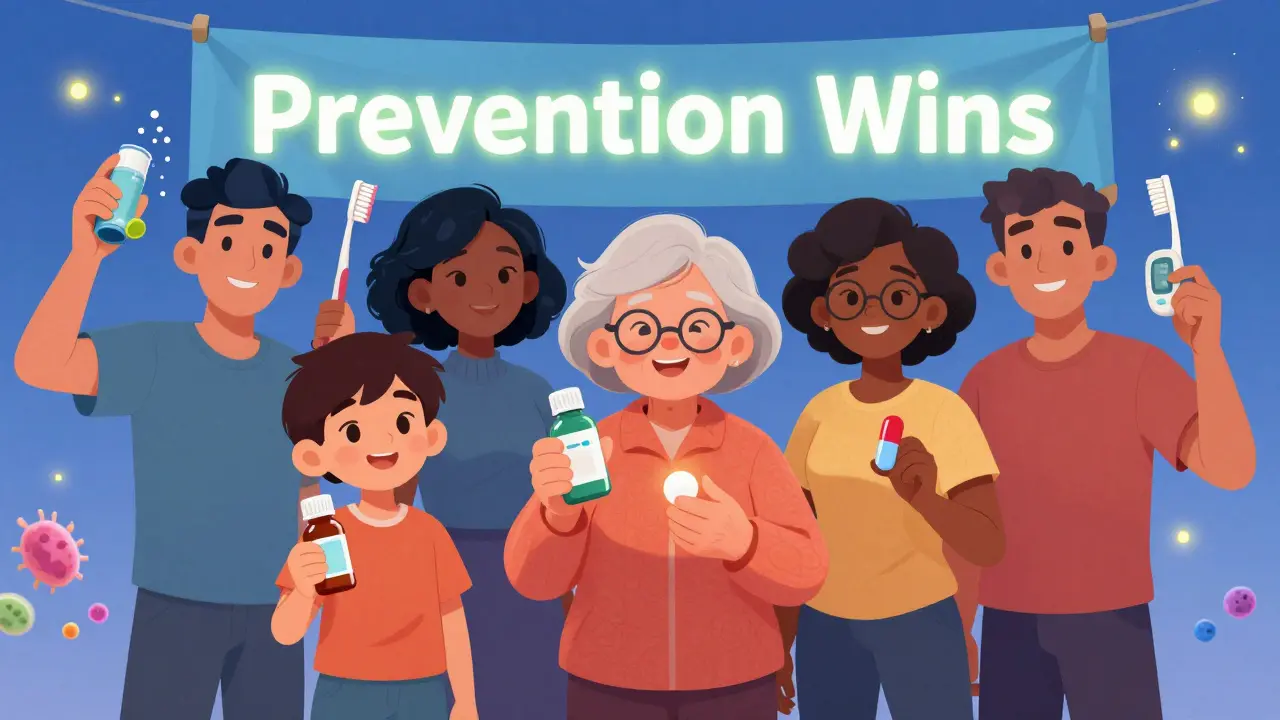
Prevention: The Real Game-Changer
The best treatment? Avoiding thrush in the first place. Here’s what actually works:- After using any inhaled steroid, rinse your mouth with water and spit. Don’t swallow. Do this every single time. Studies show this cuts your risk by 65%.
- Brush your teeth twice a day and floss. Don’t skip it, even if your mouth feels sore. Good hygiene keeps yeast in check.
- Use xylitol gum or lozenges. Xylitol isn’t just for cavities-it stops Candida from sticking to your mouth. One study showed a 40% drop in yeast colonization.
- If you have diabetes, keep your blood sugar under control. HbA1c above 7% creates the perfect storm for thrush.
- Visit your dentist every six months. They can spot early signs before it gets bad.
There’s new science here too. In March 2023, the FDA approved a new nystatin tablet that sticks to your mouth for up to four hours. It’s still early, but early trials show 94% effectiveness. And research into probiotics like Lactobacillus reuteri shows they can reduce recurrence by 57% when taken with antifungals. These aren’t magic bullets, but they’re promising tools.
When to Worry: Red Flags
Most thrush clears up in two weeks. But if you see any of these, call your doctor:- Thrush doesn’t improve after 10 days of treatment
- White patches spread to your throat or esophagus
- You develop fever, chills, or trouble swallowing
- You’re on immunosuppressants and it keeps coming back
- You get thrush after taking fluconazole-this could mean resistance
Recurrent thrush in someone who’s otherwise healthy might signal an underlying issue-like undiagnosed diabetes, HIV, or an immune disorder. Don’t ignore it.
What’s Next for Treatment?
The antifungal market is growing. New drugs are in development, with three candidates in Phase II trials. But for now, the tools we have work well-if used properly. Nystatin isn’t going away. It’s cheap, safe, and effective for most cases. Fluconazole remains the go-to for serious or resistant infections, but doctors are using it more carefully now because of resistance.The future is in smarter delivery-like the new sticky nystatin tablet-and in supporting your body’s natural defenses with probiotics and better hygiene. Prevention isn’t just an afterthought. It’s the most powerful part of the whole process.
Can oral thrush go away on its own without treatment?
Sometimes, yes-but only in mild cases and only if the triggering medication is stopped. For most people on long-term drugs like inhaled steroids or antibiotics, thrush won’t clear up on its own. Left untreated, it can spread to the esophagus or recur repeatedly. Treatment with antifungals is faster, more reliable, and prevents complications.
Is nystatin safe for children and pregnant women?
Yes. Nystatin is approved for use from birth and is considered safe during pregnancy because it doesn’t absorb into the bloodstream. It’s the preferred treatment for infants with thrush and for pregnant women who develop it. Fluconazole, on the other hand, is generally avoided during pregnancy unless the benefits clearly outweigh the risks.
Why does my oral thrush keep coming back?
Recurrent thrush usually means one of three things: you’re not rinsing after using an inhaler, your immune system is weakened (from medication or illness), or the Candida strain has become resistant to the treatment you’re using. If it keeps returning, your doctor may test for resistant strains or check for underlying conditions like diabetes or HIV. Probiotics and better oral hygiene can also help prevent recurrence.
Can I use mouthwash to treat oral thrush?
Regular alcohol-based mouthwashes won’t help and may even make it worse by drying out your mouth. Antifungal mouthwashes like nystatin are prescribed specifically for thrush. Some people find relief with saltwater rinses to soothe soreness, but they don’t kill the fungus. Don’t substitute them for antifungal treatment.
How long should I take nystatin if I feel better after a few days?
Finish the full course-even if your symptoms disappear. Stopping early lets some yeast survive, which can lead to a stronger, resistant infection later. The standard is 7 to 14 days. For immunocompromised patients, doctors often extend it to 14 days to be safe. Don’t guess-follow the prescription.
Does sugar make oral thrush worse?
Yes. Candida thrives on sugar. Eating lots of sweets, sugary drinks, or even high-carb foods can feed the yeast and make treatment less effective. While you don’t need a no-sugar diet, cutting back helps. Avoid sugary cough syrups and flavored medications if possible. Choose sugar-free alternatives when you can.
Jodi Harding
January 17, 2026 AT 13:14Been there. Rinsing after my inhaler? Nah. Thought it was just ‘bad breath.’ Then I couldn’t eat toast without crying. Nystatin tasted like chalk mixed with regret. But hey - it worked. Now I rinse like my life depends on it. Which, honestly, it kinda does.
Also, sugar is the enemy. Stop eating that damn donut before bed. Candida doesn’t care if you’re ‘just having one.’
Kristin Dailey
January 18, 2026 AT 19:46Why are we even talking about this? Just stop taking the meds if you don’t like the side effects. America’s too soft. You want to breathe? Pay the price. No one’s forcing you to use inhalers. Grow up.
Pat Dean
January 19, 2026 AT 00:41Ugh. Another ‘wellness’ post pretending antibiotics are the devil. Newsflash: your immune system is weak because you’re lazy and eat gluten. Also, nystatin? That’s a 1950s band-aid. Real medicine doesn’t come in a bottle you spit out. Get a fluconazole prescription and stop whining.
Jake Moore
January 20, 2026 AT 23:52Biggest tip I ever got? Brush your tongue. Not just your teeth - your tongue. That’s where Candida hides. And use xylitol gum after meals. It’s like a tiny army of yeast assassins. I’ve had thrush three times since my transplant. Now? Zero. Just rinse, brush, chew gum. Done.
Also - nystatin tastes like sadness, but it’s worth it. Don’t swallow it. Just swish like you’re gargling liquid regret. Four times a day. Set alarms. Your mouth will thank you.
Joni O
January 21, 2026 AT 09:08i just wanted to say thank you for this post!! i’ve been on prednisone for lupus and got thrush 3 times last year 😭 i started rinsing after my inhaler and using xylitol lozenges and it’s been 8 months clean!! i still hate the taste of nystatin but i do it anyway bc my tongue doesn’t feel like sandpaper anymore 💪
also… pls tell your dentist you have thrush! mine spotted it before i even noticed!! 😊
Ryan Otto
January 22, 2026 AT 23:53Let’s not ignore the elephant in the room: the pharmaceutical-industrial complex is profiting from this. Nystatin costs $16? Fluconazole is $23? That’s a joke. The real cost is in the suppression of natural immunity through overmedication. Who controls the FDA? Who funds the ‘studies’? And why is there no mention of ozone therapy or colloidal silver? Because they’re not patentable. This is not medicine - it’s corporate control disguised as science.
Max Sinclair
January 23, 2026 AT 16:07Great breakdown. I especially appreciate how you clarified the difference between nystatin and fluconazole - most people don’t realize resistance is a real thing. I’m a pharmacist, and I’ve seen so many patients stop nystatin after three days because ‘it feels better.’ That’s how resistance starts.
Also, the xylitol tip? Gold. I recommend it to every patient on steroids. Simple, cheap, effective. Prevention really is better than cure.
Praseetha Pn
January 25, 2026 AT 04:11OMG you’re all so naive 😤 This isn’t about Candida - it’s about glyphosate. The GMO corn in your bread, the pesticides in your water, the fluoride in your toothpaste - they’re all poisoning your microbiome. Your ‘thrush’ is just the tip of the iceberg. The CDC knows. The WHO knows. But they won’t tell you because Big Pharma owns them. I’ve been tracking this since 2017. I’ve got 17 spreadsheets. You think nystatin helps? It’s just a distraction. Eat organic. Drink spring water. Stop using plastic containers. And for god’s sake - stop swallowing your inhaler rinse. That’s the poison entering your bloodstream. 🌱🩸
Dayanara Villafuerte
January 26, 2026 AT 06:31Me after 10 days of nystatin: 🤢🤢🤢
Me after it cleared up: 🙌✨
Me now, rinsing like a monk: 🧘♀️💧
Also, sugar is the devil’s spit. Cut it out. Even ‘healthy’ fruit juices. I went cold turkey. My tongue hasn’t felt this clean since 2019. And yes, I still hate the taste. But I’d rather taste chalk than burn every time I swallow. 🤫💊