
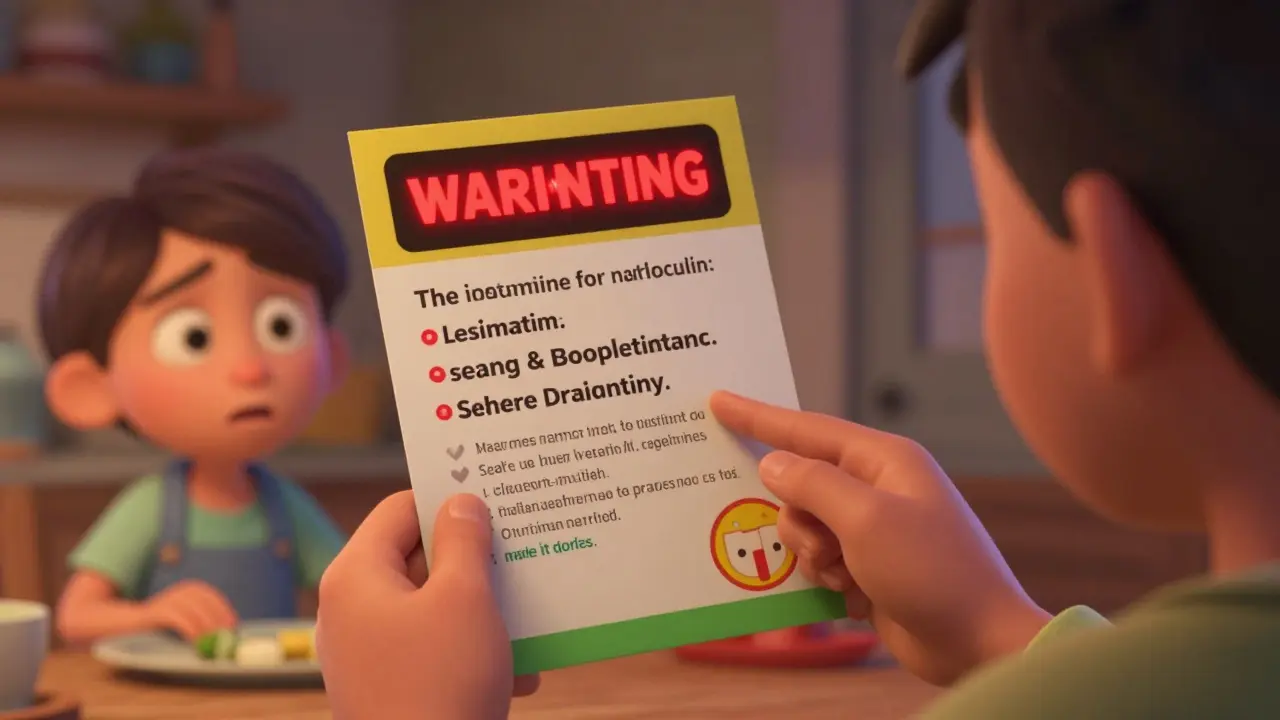
Every time you pick up a new prescription, you get a small booklet with it-the medication guide. Most people glance at it, maybe read the side effects, and toss it in a drawer. But if you or someone you care about is taking medications that carry overdose risk, that guide could save a life. You don’t need a medical degree to understand it. You just need to know where to look.
Start with the Boxed Warning
The most important part of any medication guide is the Boxed Warning. It’s called that because it’s literally boxed in bold black text at the very top of the guide. This isn’t just a reminder-it’s the FDA’s strongest alert. If a drug can cause fatal overdose, especially when mixed with alcohol or other depressants, this is where it will say so.For example, opioids like oxycodone, hydrocodone, or fentanyl patches all have Boxed Warnings about respiratory depression. Benzodiazepines like alprazolam or diazepam warn about life-threatening breathing problems when combined with opioids. These warnings don’t say "may cause drowsiness." They say "can cause death." If you see this box, treat it like a red light. No exceptions.
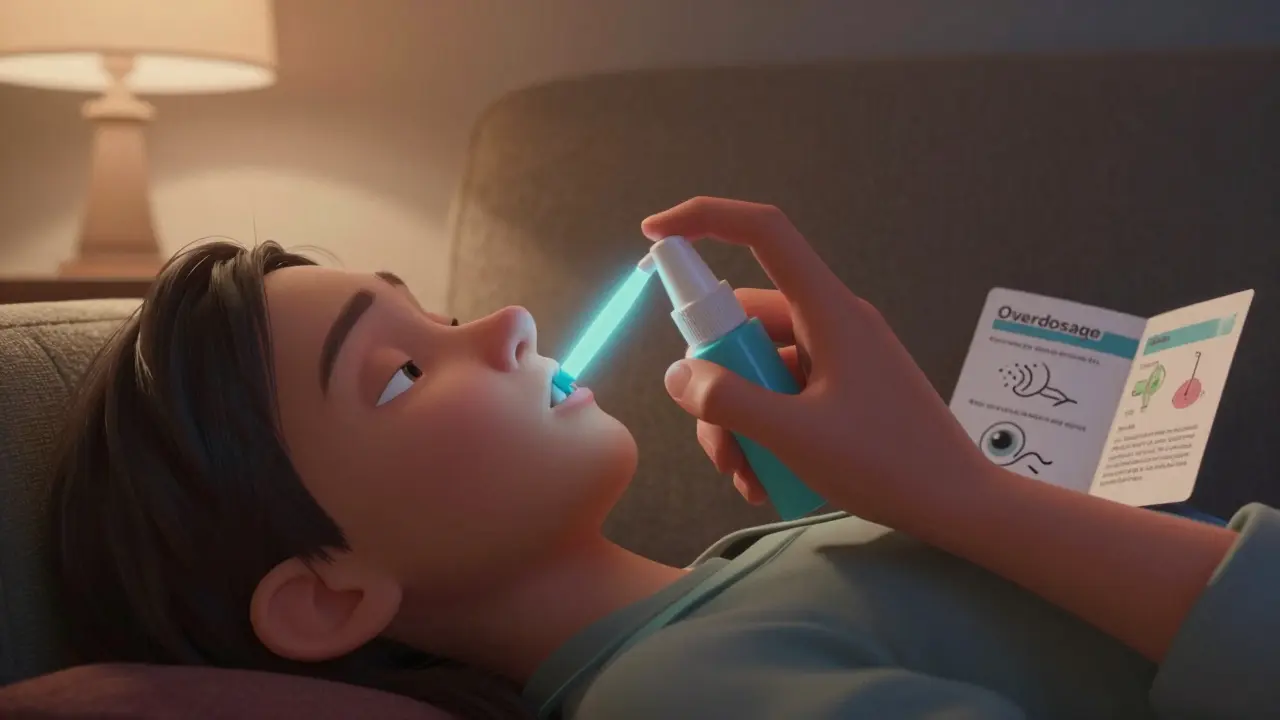
Find the Overdosage Section
Scroll down until you see a section titled Overdosage. It’s usually after Warnings and Precautions, and before Storage. This section doesn’t give you general advice-it gives you the exact numbers. How much is too much? What happens if someone takes too much? What antidotes are available?Take a drug like buprenorphine. The Overdosage section will tell you that doses above 24 mg per day increase risk of respiratory depression. It will list symptoms: slow breathing, extreme drowsiness, cold/clammy skin, unresponsiveness. Then it will say: "Naloxone may be used to reverse opioid effects. Monitor for recurrence of opioid effects due to the shorter duration of action of naloxone compared to buprenorphine." That last sentence is critical. Naloxone wears off faster than buprenorphine. If you give one dose and walk away, the overdose can come back.
For acetaminophen (Tylenol), the Overdosage section says: "Ingestion of more than 150 mg/kg in adults is potentially hepatotoxic." It then lists N-acetylcysteine (NAC) as the antidote and says it should be given within 8 hours for best results. That’s not something you guess. That’s something you read.
Understand the Antidote Details
Antidotes aren’t magic pills. They’re specific to the drug. And they have rules.Naloxone works only on opioids. It won’t help with benzodiazepine overdose, sleeping pills, or alcohol poisoning. But if you’re taking an opioid, naloxone should be in your home. The medication guide will tell you: "Naloxone is available as a nasal spray or injection." It might even list brand names like Narcan or Kloxxado.
For benzodiazepines, flumazenil is the antidote-but it’s rarely used outside hospitals because it can trigger seizures in people with epilepsy or long-term use. The guide will warn you about this. If your guide doesn’t mention an antidote, that doesn’t mean there isn’t one-it just means there’s no widely accepted, safe one yet. In those cases, the only treatment is supportive care: breathing support, IV fluids, monitoring.
Never assume an antidote is easy to use. The guide will say if it requires medical training. Naloxone nasal spray doesn’t. But if the guide says "administer intravenously under supervision," then don’t try it at home.
Look for Contraindications and Drug Interactions
The Overdosage section won’t tell you everything. You need to check two other places: Contraindications and Drug Interactions.Contraindications list what you must not take with the drug. For example, if you’re on methadone, the guide will say: "Do not use with monoamine oxidase inhibitors (MAOIs)." That’s because the combination can cause fatal serotonin syndrome, which can mimic overdose.
Drug Interactions is where you find the hidden dangers. If you take gabapentin with an opioid, your risk of overdose doubles. If you drink alcohol while on sleep meds like zolpidem, you’re 10 times more likely to stop breathing. The guide will list these combinations. If you’re taking more than one medication, compare them side by side. If two drugs both cause drowsiness or breathing slowdown, you’re stacking risks.
Know the Symptoms-Not Just the Numbers
Medication guides list overdose symptoms, but they’re written in clinical language. Here’s how to translate them:- Respiratory depression = slow, shallow, or irregular breathing. If someone’s breathing fewer than 8 times a minute, it’s dangerous.
- Unresponsiveness = won’t wake up even when you shake them or shout their name.
- Cyanosis = lips or fingernails turning blue or gray. This means oxygen levels are dropping.
- Pupils like pinpoints = pupils so small they look like dots. Common with opioids.
- Extreme drowsiness or confusion = can’t answer simple questions like "What’s your name?" or "Where are you?"
Don’t wait for all of these. If you see two or more, act. Time matters. Overdose isn’t always sudden. Sometimes it creeps in over hours, especially with extended-release pills or patches.
Keep the Guide Accessible
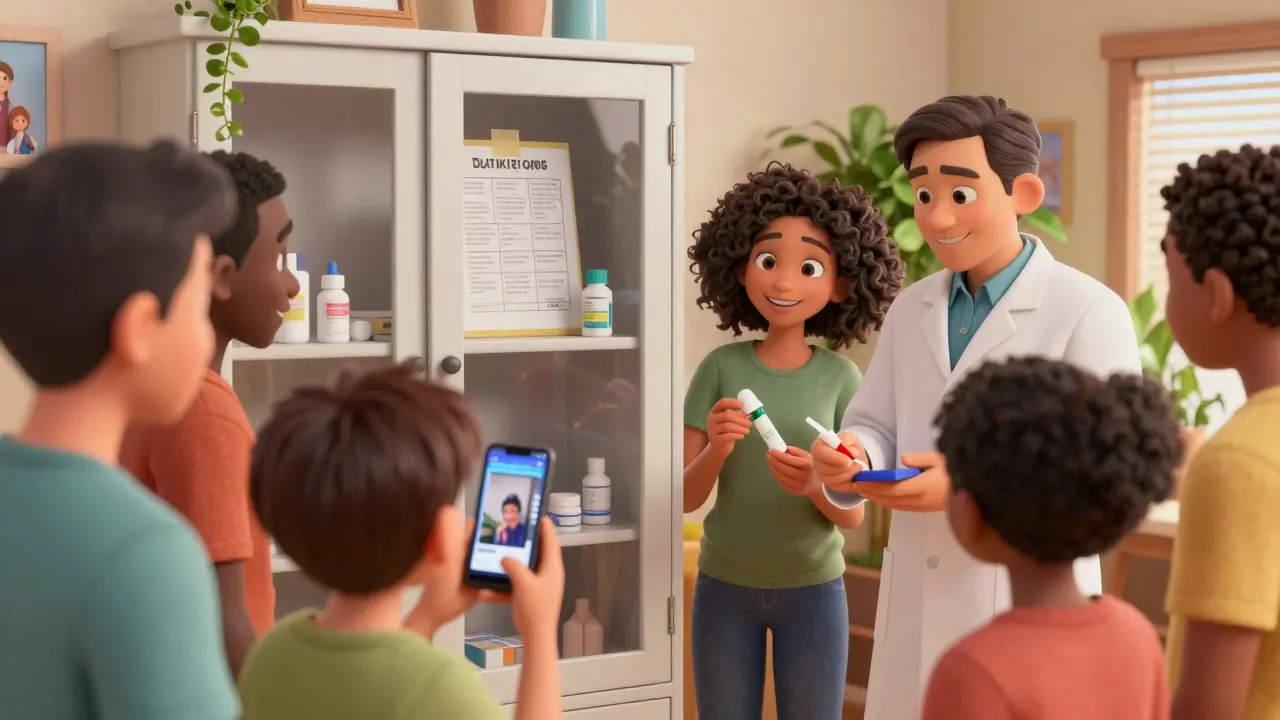
Don’t tuck the guide away. Tape it to the inside of your medicine cabinet. Save a photo of the Overdosage and Antidote sections on your phone. Give a copy to your roommate, your partner, your parent. Make sure someone else knows where to find it.If you take high-risk meds-opioids, benzodiazepines, sleep aids, or certain painkillers-keep naloxone on hand. It’s available without a prescription at most pharmacies. Ask the pharmacist to show you how to use it. Practice with the trainer spray. It’s not scary. It’s just a small plastic device with a button.
And if you ever have to use it, call 911 anyway. Naloxone buys you time. It doesn’t fix everything. The person still needs medical care.
Ask Questions-Don’t Assume
If the guide says "antidote: N-acetylcysteine" but you’ve never heard of it, ask your pharmacist. If it says "avoid with alcohol" but doesn’t say how much is too much, ask your doctor. If you’re unsure whether your meds can interact, bring all your bottles to your pharmacy once a year for a free review. Many pharmacies offer this.Medication guides are written for you-not for doctors. They’re not meant to be confusing. If something feels unclear, it’s not you. It’s the system. Push for clarity. Your life depends on it.
Can I rely on my pharmacist to explain the overdose risks in my medication guide?
Pharmacists are trained to explain medication guides, but they’re often busy. Don’t wait for them to offer. Bring the guide and ask directly: "What are the overdose signs for this drug? Is there an antidote? What should I do if someone takes too much?" If they seem rushed, ask for a quiet moment or schedule a consultation. Your safety isn’t optional.
What if my medication doesn’t have a Boxed Warning? Does that mean it’s safe to overdose on?
No. A Boxed Warning only means the FDA has determined the risk is severe enough to require special emphasis. Many drugs can still cause fatal overdose without one. For example, sleeping pills like zolpidem or muscle relaxants like cyclobenzaprine don’t always have Boxed Warnings, but taking too much can stop your breathing. Always check the Overdosage section, not just the Boxed Warning.
Can I use someone else’s naloxone if I don’t have my own?
Yes. Naloxone is legal to carry and use by anyone in all 50 states, even if it’s not prescribed to you. If someone is unresponsive and showing signs of opioid overdose, give naloxone. It won’t harm them if they didn’t take opioids. It’s safe, simple, and lifesaving. Don’t hesitate because it’s not "yours."
Do over-the-counter meds like Tylenol have overdose warnings in their guides?
Yes. Even acetaminophen (Tylenol) has a detailed Overdosage section in its patient information leaflet. It warns that taking more than 4,000 mg in 24 hours can cause liver failure. It names N-acetylcysteine as the antidote and says treatment must begin within 8 hours. Many people don’t realize how dangerous OTC drugs can be. Always read the guide-even for pills you think you know.
What if I don’t understand the medical terms in the guide?
Ask for plain language. Say: "Can you explain this in words I can use?" For example, "respiratory depression" means "slowed or stopped breathing." "Antidote" means "medicine that reverses the overdose." Pharmacists and nurses are used to this. If you’re still unsure, call the drug manufacturer’s patient helpline. Their numbers are printed on the guide. They’ll walk you through it.
What to Do Next
Take your current prescriptions. Find the medication guides. Open them. Look for the Boxed Warning. Find the Overdosage section. Check for antidotes. Write down the symptoms in your own words. Share this with someone who lives with you or checks in on you regularly.If you’re taking opioids, benzodiazepines, or any sedating medication, get naloxone now. It’s not expensive. It’s not hard to use. And it’s not something you hope you never need. It’s something you hope you never have to use-but you’re glad you have anyway.
Reading your medication guide isn’t about being paranoid. It’s about being prepared. The difference between reading it and ignoring it could be the difference between life and death.
Maggie Noe
January 9, 2026 AT 01:11Just read my mom’s oxycodone guide last night and cried. I had no idea naloxone was available over the counter. I’m getting two packs today-one for her, one for my car. 🥺💉
Gregory Clayton
January 10, 2026 AT 12:43Bro, why are we even talking about this like it’s a fucking self-help book? People OD because they’re dumb or addicted. Reading a pamphlet won’t fix that. Just lock the meds up and stop enabling.
Catherine Scutt
January 11, 2026 AT 02:10Ugh. Another one of these "read your meds" lectures. I’ve seen this exact post three times this month. If you need a guide to not kill yourself, maybe don’t take the drug in the first place. 🙄
Ashley Kronenwetter
January 11, 2026 AT 08:13This is one of the most vital public health resources I’ve encountered in years. The clarity with which it breaks down Boxed Warnings, antidote limitations, and symptom recognition is both professional and deeply human. Thank you for writing this.
Drew Pearlman
January 13, 2026 AT 01:46I just want to say how much this means to me. My sister was on benzodiazepines for years, and we never knew about flumazenil’s risks or how naloxone doesn’t work on everything. I’ve printed this out and laminated it. I keep it next to her meds. I’m so glad someone took the time to explain this so clearly. You’re doing God’s work here.
Matthew Maxwell
January 13, 2026 AT 07:51It’s not enough to just read the guide. You need to understand the pharmacology behind it. Naloxone’s half-life is 60-90 minutes; buprenorphine’s is 24-60 hours. That’s why recurrence happens. If you don’t know the half-lives, you’re just memorizing bullet points. This post is good-but it’s still superficial without the science.
Lindsey Wellmann
January 13, 2026 AT 20:48OMG I just got my first Narcan nasal spray!! 🎉 I practiced with the trainer spray while watching TikTok. I feel like a superhero now. 🦸♀️💉 #NaloxoneQueen #OverdosePrevention
Kiruthiga Udayakumar
January 14, 2026 AT 20:54In India, we don’t even have proper medication guides. People buy pills from street vendors and take them with chai. This post should be translated into Hindi and distributed in every pharmacy. You’re saving lives with words.
Patty Walters
January 15, 2026 AT 15:47ps. i forgot to mention-tylenol overdoses are way more common than people think. my cousin went to er last year after taking 12 pills "for the pain". they gave her nac and she’s fine now. but she didn’t know the limit was 4k mg. read the tiny print, ppl. 🙏
Phil Kemling
January 15, 2026 AT 16:39There’s something deeply ironic about a society that gives us 20-page drug pamphlets but won’t fund mental health care. We’re asking people to become pharmacists because the system failed them. This guide is necessary-but it shouldn’t be the only line of defense.
tali murah
January 17, 2026 AT 01:32Oh look, another virtue-signaling post about reading pamphlets. Meanwhile, the opioid epidemic is still fueled by pharmaceutical companies who paid doctors to prescribe these drugs. You think a boxed warning fixes that? Wake up. This isn’t empowerment-it’s corporate damage control dressed up as public service.