
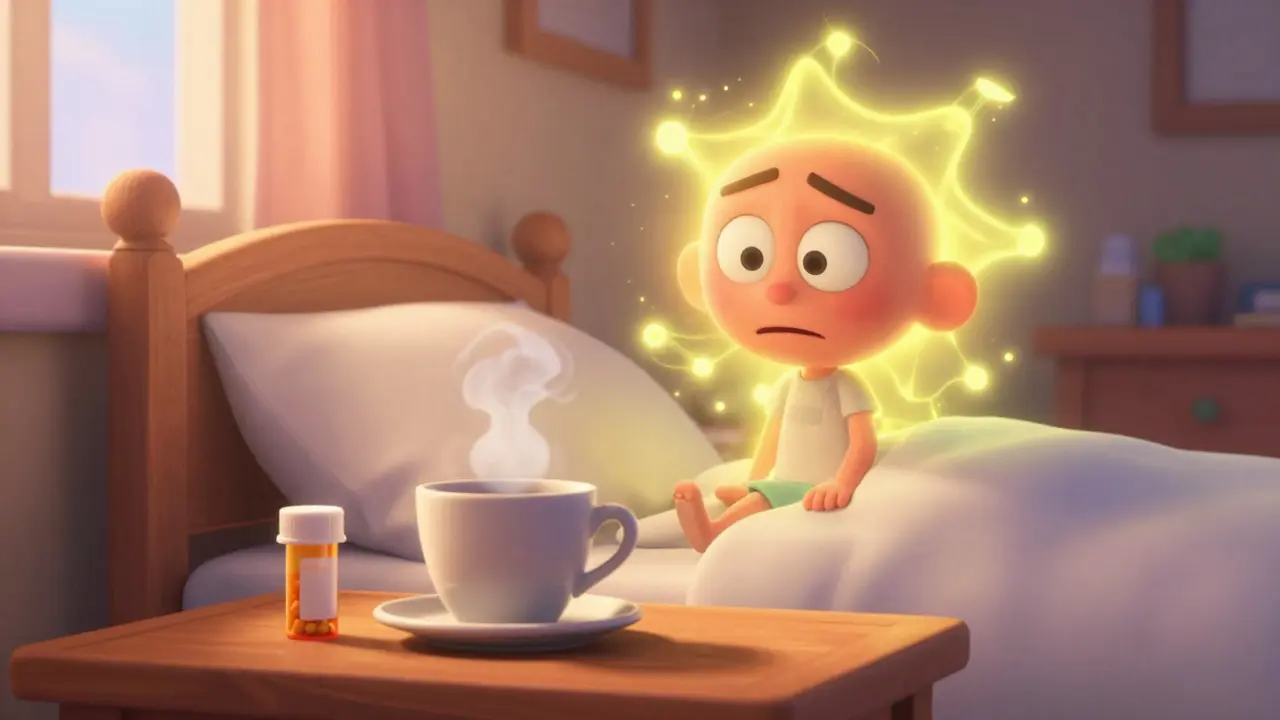
If you're currently balancing a prescription and a caffeine habit, the goal isn't necessarily to quit cold turkey, but to understand how these two substances interact. Depending on your genetics and dosage, you might feel a synergistic boost in productivity, or you might find yourself staring at a wall with a racing heart and zero actual focus. Let's break down what's actually happening in your brain and heart when you mix these stimulants.
The Science of the "Double Stimulant" Effect
To understand the risk, you first have to understand what these substances do. Both caffeine and medications like Adderall (which contains amphetamine and dextroamphetamine) target the brain's reward and attention centers. They both increase the availability of dopamine, the chemical that helps you stay on task and feel motivated.
However, they work in different ways. While caffeine gently nudges dopamine levels, prescription stimulants are far more potent. Research shows that Adderall is roughly 3 to 5 times more effective at managing core ADHD symptoms than caffeine alone. When you combine them, you aren't just adding 1+1; you're creating a synergistic effect. This means the caffeine can amplify the potency of the medication, which can feel great for an hour but often leads to a jagged, over-stimulated state that makes it impossible to actually finish a project.
One interesting twist is the role of other compounds. For instance, L-theanine, an amino acid found in green tea, can actually balance out the "jitters" from caffeine. Studies have shown that combining L-theanine with caffeine can improve cognition and reduce mind-wandering, whereas caffeine on its own can sometimes actually worsen inhibitory control in people with ADHD.
Cardiovascular Risks and Red Flags
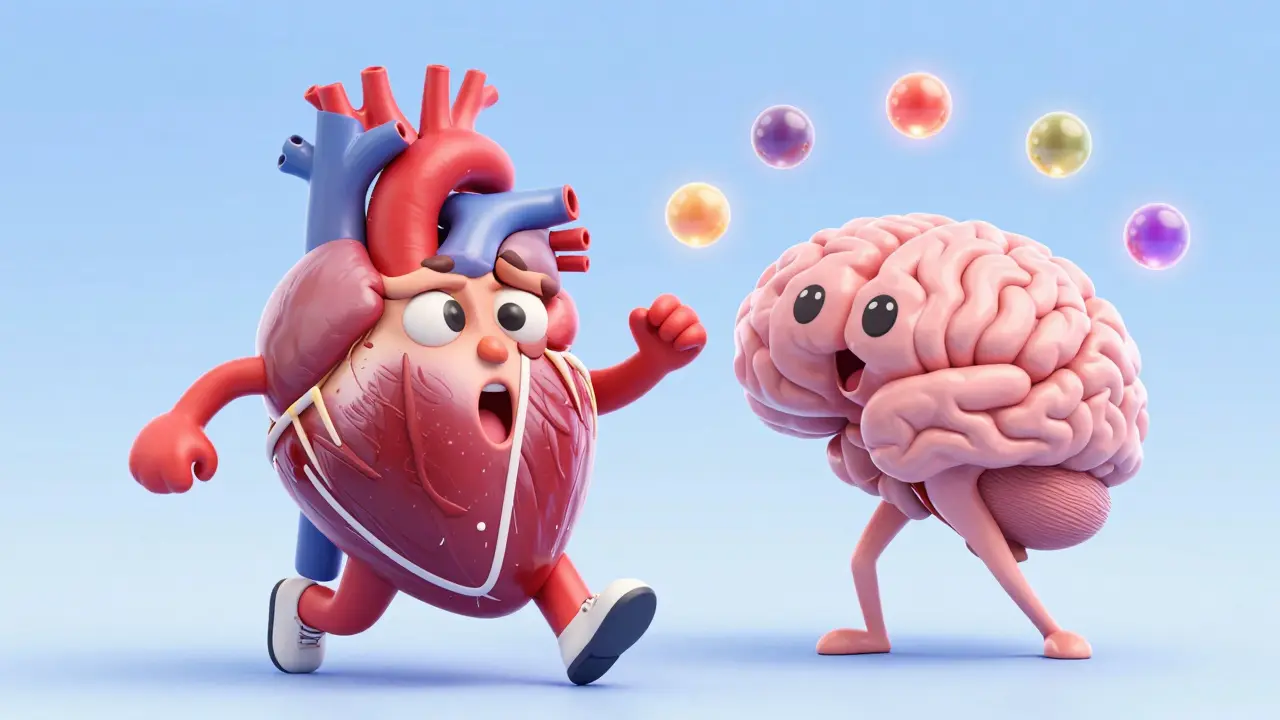
The biggest concern with this combination isn't your focus-it's your heart. Both substances are CNS stimulants, meaning they tell your heart to beat faster and your blood vessels to tighten. When you take both, you risk crossing a threshold that your body can't easily handle. Data from VA Hospitals indicates that combining these stimulants without medical supervision can increase the risk of tachycardia (rapid heart rate) by 37% and hypertension (high blood pressure) by 29%.
| Attribute | Caffeine | Adderall |
|---|---|---|
| Primary Function | Mild CNS Stimulant | Potent Dopamine/Norepinephrine Reuptake Inhibitor |
| Average Half-Life | 3-7 Hours | 9-13 Hours |
| Efficacy for ADHD | Low (60-70% less effective) | High (Gold Standard) |
| Regulation | Unregulated/Over-the-counter | FDA Scheduled Substance |
If you notice your heart skipping beats, feel a persistent tightness in your chest, or find that your blood pressure is spiking, your body is telling you the synergy has become toxic. This is particularly dangerous for the 23% of adult ADHD patients who also have comorbid cardiovascular issues. In these cases, the American Heart Association suggests keeping caffeine intake below 200mg daily.
The "Crash and Burn" Cycle
Many users report a specific pattern: they feel amazing for the first three hours, then hit a wall of severe anxiety and exhaustion. This is the classic "stimulant crash." Because caffeine is processed much faster than ADHD meds-with an average half-life of about 5 hours compared to Adderall's 10-13 hours-the caffeine wears off while the medication is still peaking.
This gap can leave you feeling irritable, anxious, and mentally drained. It's a common trap where users try to "fix" the crash by drinking more coffee, leading to a cycle of insomnia and anxiety that eventually ruins the effectiveness of the medication. Real-world data from ADHD communities shows that while about 41% of users feel improved focus initially, nearly 60% suffer from increased anxiety when mixing the two.

How to Manage the Interaction Safely
If you aren't ready to give up your morning brew, there are ways to mitigate the risks. The key is timing and titration. You don't want these two stimulants hitting your bloodstream at the exact same moment.
- Space it out: Clinical guidelines suggest waiting at least 4 to 5 hours between your medication dose and your caffeine intake. This prevents the "peak on peak" effect that triggers tachycardia.
- Start Small: If you're starting a new medication, limit yourself to 100mg of caffeine (roughly one small cup of coffee) and monitor your heart rate using a wearable device.
- Eat First: Taking both substances with food can significantly reduce gastrointestinal distress, which affects nearly half of all users who combine stimulants.
- Watch for "Hidden" Caffeine: Remember that dark chocolate, soda, and energy drinks all contribute to your daily total. The FDA warns that some "energy-boosting" supplements contain massive doses of caffeine that can trigger emergency room visits when paired with stimulants.
It's also worth noting that you might be a "slow metabolizer." About 40% of people have a genetic variation in the CYP1A2 gene that makes them process caffeine slowly. If you feel jittery for 12 hours after a single cup of coffee, you are likely a slow metabolizer and should be extremely cautious with stimulant combinations.
Long-Term Outlook and Doctor-Patient Communication
The medical community is moving toward a more personalized approach to these interactions. While the FDA does not approve caffeine as an ADHD treatment and cautions against its use with stimulants, they recognize that patients will do it. The goal is now "informed use" rather than total prohibition.
When you talk to your doctor, be honest about your caffeine intake. They need to know if your elevated blood pressure is from the medication or the three espressos you had before the appointment. Using a tracking scale, like the ASRS-v1.1, can help you and your provider determine if the caffeine is actually helping your focus or just masking the side effects of your meds.
Can caffeine replace ADHD medication?
Generally, no. While caffeine increases dopamine, it is 60-70% less effective than prescription stimulants for treating core ADHD symptoms. In some cases, caffeine alone can actually worsen inhibitory control and impulse management.
What is the maximum safe amount of caffeine when taking stimulants?
For a healthy adult without heart issues, the FDA suggests a limit of 400mg daily. However, when combined with ADHD medication, experts recommend starting much lower-around 100mg-and monitoring for anxiety or heart palpitations.
Why do I feel more anxious when I drink coffee with my meds?
This happens because both substances stimulate the central nervous system. The synergy can overstimulate your "fight or flight" response, leading to physical anxiety symptoms like trembling, racing heart, and a sense of dread.
Does L-theanine actually help?
Yes. L-theanine modulates GABA and glutamate levels in the brain. Research suggests a 3:1 ratio of L-theanine to caffeine can reduce the jittery side effects of caffeine while maintaining its cognitive benefits.
How long does it take for Adderall to leave my system?
While the half-life of the components varies (about 9-13 hours), it can take up to 65 hours (nearly 3 days) for the medication to be completely cleared from your system.
Goodwin Colangelo
April 5, 2026 AT 07:30Switching to green tea is a total game changer here. That L-theanine mentioned really does take the edge off the jitters without killing the focus. I usually wait until my second dose peak starts to dip before having any caffeine at all.
Vicki Marinker
April 7, 2026 AT 02:11It is simply exhausting that we have to rely on pharmaceutical cocktails and bean water just to function in a society that demands constant productivity. The whole concept of "synergy" here is just a fancy word for stressing out your heart.
Divine Manna
April 8, 2026 AT 18:27The mention of the CYP1A2 gene is the only scientifically rigorous part of this discussion. Most people blindly consume stimulants without acknowledging their own genetic predispositions toward metabolic efficiency. It is quite naive to assume a standard dose of caffeine affects everyone equally when the enzymatic breakdown varies so wildly across the population. One must approach neurochemistry with precision, not guesswork, if they wish to avoid the inevitable systemic collapse that comes with haphazard stimulation.
Mark Zhang
April 9, 2026 AT 14:58I really appreciate the tip about eating first. I used to get such bad stomach aches when I took my meds on an empty stomach and then hit the coffee pot, but a solid breakfast makes a world of difference. Hang in there everyone, finding the right balance takes a bit of patience.
Rob Newton
April 10, 2026 AT 12:26Overblown. My heart rate is fine. Coffee is coffee.
The Charlotte Moms Blog
April 11, 2026 AT 06:07Absolutely terrifying!!! My son's doctor never mentioned the 37% tachycardia risk... why isn't this on every pharmacy label??? This is a total failure of the healthcare system!!!
Aysha Hind
April 12, 2026 AT 05:59Please, as if the FDA actually cares about our hearts and isn't just in the pocket of Big Pharma pushing these pills. This "guide" is just a way to make us feel okay about the slow-motion train wreck they're selling as "treatment." It's all a big game to keep us wired and compliant while our adrenals just wither away into nothingness.
Lawrence Rimmer
April 13, 2026 AT 12:13We're basically just overclocking our brains like old PCs from 2005. Who cares about the crash when the high makes you feel like you can actually perceive the fourth dimension for three hours? The systemic risk is just a tax we pay for a temporary semblance of competence in a broken world.
Hudson Nascimento Santos
April 15, 2026 AT 08:14It makes me wonder if the "crash" is actually the brain attempting to return to its natural state of being. Perhaps the anxiety we feel isn't just a chemical reaction, but a psychological protest against the artificial imposition of focus.
HARSH GUSANI
April 17, 2026 AT 04:31Who cares about these US rules!! 🇮🇳 We have our own ways and our tea is way better than your coffee anyway!! Stop trying to tell us how to live 🚩🚩
Sakshi Mahant
April 19, 2026 AT 03:34I think it is wonderful that we can share these experiences. In my culture, we often emphasize balance and mindfulness, and combining that with the medical advice here could really help people find a middle path.
sophia alex
April 20, 2026 AT 23:48Omg, imagine not knowing this already? 🙄 It's literally basic bio-hacking. Only in America would people need a whole guide to know that two stimulants make you jittery. Get a grip! 💅
Hope Azzaratta-Rubyhawk
April 22, 2026 AT 09:51You must be disciplined! If you cannot manage your caffeine intake, you have no business taking powerful stimulants. Stop complaining about the crash and start organizing your life with actual rigor!
simran kaur
April 22, 2026 AT 17:10The 400mg limit is a joke. They just want us to be barely functional so we keep buying the supplements. The real data is hidden because it would prove that these medications are designed to make us dependent on more stimulants just to feel normal. It's an endless loop of profit for the elite.
Dipankar Das
April 23, 2026 AT 14:57I strongly urge everyone to follow the medical guidelines strictly! Do not be lazy with your health! You must monitor your heart rate every single day if you choose to mix these substances! Only through absolute discipline will you see the results you desire!