
Bile Acid Sequestrant Interaction Checker
Check if your current medications can safely interact with bile acid sequestrants. These drugs can significantly affect how other medications are absorbed.
Safety Tips
- Separate doses by at least 4 hours for thyroid hormones and warfarin
- Monitor blood sugar closely if taking with metformin
- Consider alternative statins like rosuvastatin if possible
- Use backup contraception if taking oral contraceptives
When you’re managing type 2 diabetes, every medication choice matters. You don’t just want to lower your blood sugar-you need something that won’t make you feel worse, won’t clash with your other pills, and ideally, helps with something else too, like high cholesterol. That’s where bile acid sequestrants come in. They’re not the first drug most doctors reach for, but for some people, they’re the only option that does two things at once: lowers glucose and cuts LDL cholesterol. The catch? They come with a long list of side effects and tricky interactions that can ruin your day-or even land you in the hospital.
What Are Bile Acid Sequestrants, Really?
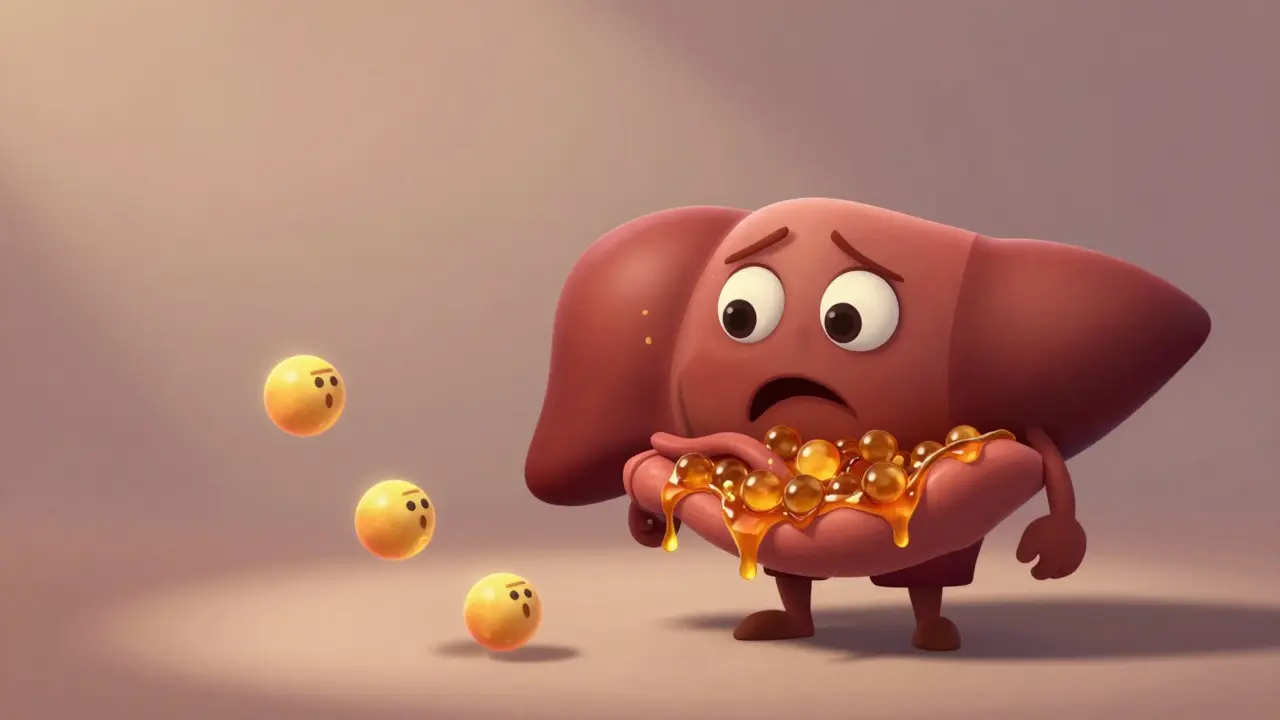
Bile acid sequestrants (BASs) are not like other diabetes drugs. They don’t stimulate insulin. They don’t block sugar reabsorption in the kidneys. They don’t even enter your bloodstream. Instead, they’re resin-based powders or tablets that sit in your gut and act like sticky magnets for bile acids. These bile acids are made by your liver from cholesterol and help digest fat. When BASs bind them, your liver has to pull more cholesterol out of your blood to make new bile acids. That’s how LDL drops-by 15% to 18%.
But here’s the twist: that same process seems to improve blood sugar too. Studies show colesevelam (brand name WelChol) lowers HbA1c by about 0.5%. It’s not dramatic, but for someone with an HbA1c of 7.5% who can’t take statins or GLP-1 drugs, it’s something. Sevelamer, another BAS, is approved for kidney patients with high phosphorus, but it’s also been studied for diabetes. The FDA approved colesevelam for diabetes in 2008 after four trials showed consistent, if modest, HbA1c reductions.
Unlike metformin or SGLT2 inhibitors, BASs don’t cause weight gain or hypoglycemia. That’s a big plus. But they’re not magic. They’re gritty, chalky, and hard to swallow. And they don’t play nice with other medications.
The Most Common Side Effects: It’s All in Your Gut
If you’ve ever had a bad case of constipation after starting a new medicine, you might already know what’s coming. Bile acid sequestrants are notorious for gastrointestinal problems. In clinical trials, 20% to 30% of people reported side effects serious enough to consider quitting. The most common? Constipation. It hits 34% of users, according to patient reports on Drugs.com. Nausea? 28%. Gas and bloating? 22%.
It’s not just discomfort. Some people end up in the ER. One Reddit user described needing Miralax every day just to pass stool. Another shared on EverydayHealth that after three months of colesevelam, they developed a bowel obstruction and had to be hospitalized. That’s rare, but it happens. The risk goes up if you’re already prone to constipation, dehydrated, or not eating enough fiber.
Then there’s the texture. These pills aren’t smooth. They’re coarse, almost like sand. Many patients say they taste like chalk and leave a gritty residue in their mouth. That makes adherence a real problem. One study found only 65% of people were still taking it after six months. That’s not because it doesn’t work-it’s because it’s unpleasant to take every day.
Doctors usually start low: 1,875 mg per day (three 625 mg tablets), then slowly ramp up to 3,750 mg over four weeks. The goal is to let your gut adjust. Drink plenty of water. Eat more vegetables, oats, beans. Skip the low-fiber diet. If you’re already on a laxative, you might need to increase the dose. But don’t just power through it-talk to your doctor if constipation lasts more than a few days.
Drug Interactions: The Hidden Danger
This is where bile acid sequestrants get dangerous. Because they bind things in your gut, they can trap other medications before they’re absorbed. The FDA says you must take other drugs either 4 hours before or 1 hour after colesevelam. That’s not a suggestion. It’s a rule.
Here’s what gets blocked:
- Thyroid hormones (levothyroxine): If you take this for hypothyroidism, your TSH levels can spike. You’ll need to separate doses by 4 to 6 hours.
- Warfarin: This blood thinner’s effectiveness can drop, raising your risk of clots. Your INR needs to be checked more often.
- Sulfonylureas (like glipizide): These can be less effective, which might lead to higher blood sugar.
- Metformin: Even though both are used for diabetes, colesevelam may reduce metformin absorption slightly. Monitor your glucose closely.
- Statins: Colesevelam cuts simvastatin levels by 40% and atorvastatin by 20%. Your cholesterol might not drop as expected.
- Oral contraceptives: There’s a risk of reduced effectiveness. Use backup contraception.
Many patients don’t realize this. They take their thyroid pill at 7 a.m., their colesevelam at 8 a.m., and wonder why their TSH is out of range. Or they take their blood pressure med with breakfast, not knowing it’s being trapped. That’s why it’s critical to write down every pill you take-prescription, over-the-counter, even vitamins-and review it with your pharmacist or doctor before starting.

Who Should Even Consider This Drug?
Bile acid sequestrants aren’t for everyone. They’re not first-line. Not even second-line. The American Diabetes Association and the American Association of Clinical Endocrinologists both list them as third-line options. That means you’ve already tried metformin, maybe a GLP-1 or SGLT2 inhibitor, and you’re still not at target.
But here’s who might benefit:
- You have type 2 diabetes and high LDL cholesterol.
- You can’t take statins due to muscle pain or liver issues.
- Your HbA1c is between 7% and 10%. Above that, BASs don’t help much.
- You’re not interested in injections or expensive new drugs.
- You’re okay with a gritty pill and daily constipation management.
It’s a niche drug for a niche group. About 2.3% of people with type 2 diabetes in the U.S. are on colesevelam. That’s down from 1.7 million prescriptions in 2012 to under 900,000 in 2023. Why? Because better options exist. GLP-1 agonists like semaglutide lower HbA1c by 1.5% and help you lose weight. SGLT2 inhibitors protect your heart and kidneys. BASs don’t do any of that.
Cost and Availability: Is It Worth It?
Colesevelam costs about $547 for a 30-day supply (180 tablets of 625 mg). There’s no generic version in the U.S. Sevelamer, used off-label, costs even more-around $722 a month. Compare that to metformin, which runs $4 to $10 a month, or even newer drugs that now have generics or coupons.
Insurance often covers it, but only after you’ve tried and failed other options. And even then, prior authorization is common. If you’re paying out of pocket, this drug can be a financial burden. And remember-you’re paying for a 0.5% HbA1c drop and a 15% LDL drop. That’s not nothing, but it’s not revolutionary either.
What’s Next for Bile Acid Sequestrants?
The future isn’t bright. Big pharma has mostly walked away. Genzyme shut down its diabetes trials for sevelamer in 2021. No new BASs are on the horizon in the U.S. or Europe. The European Medicines Agency never approved any for diabetes, citing weak benefit-risk balance.
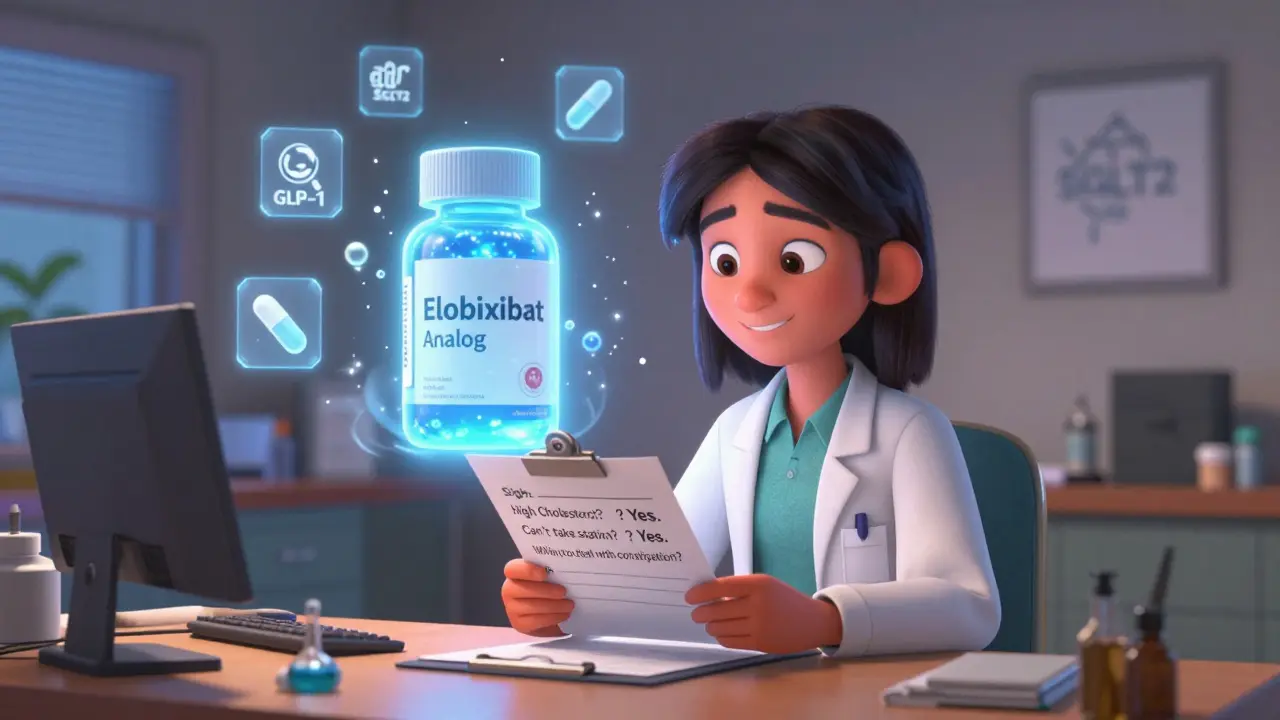
One glimmer of hope? A new experimental BAS called Elobixibat analog showed promise in 2023 with 40% fewer GI side effects. But it’s still in early trials. And even if it works, it’s years away from market.
Right now, the only real future for BASs in diabetes is combination therapy. Researchers are testing colesevelam with semaglutide. The idea? Use the low dose of semaglutide to improve glucose and weight, and the BAS to handle cholesterol. Early results are encouraging. But this isn’t a solution for most patients yet.
Final Thoughts: Is It Right for You?
If you’re considering bile acid sequestrants, ask yourself:
- Do I have both high cholesterol and diabetes?
- Have I tried and tolerated other diabetes meds?
- Can I handle daily constipation and a chalky pill?
- Am I willing to time my other meds around this one?
If you answered yes to all four, it might be worth a trial. But if you’re looking for a quick fix, a weight-loss boost, or a pill you can take without thinking, skip it. There are better choices now.
For the right person, colesevelam can be a quiet success story. One patient on Drugs.com wrote: ‘My LDL dropped from 142 to 98 and A1c from 7.1 to 6.8 without changing other meds-worth the GI issues.’ That’s the kind of outcome that keeps this drug alive. But it’s rare. And it comes at a cost.
Don’t start this medication without a full conversation with your doctor. Bring your pill list. Ask about alternatives. Know what you’re signing up for. Because sometimes, the drug that helps your numbers can make your life harder.
Do bile acid sequestrants cause weight gain?
No, bile acid sequestrants do not cause weight gain. Unlike some diabetes medications such as insulin or sulfonylureas, they don’t affect appetite or promote fat storage. In fact, some patients report slight weight loss, likely due to reduced calorie absorption from fat malabsorption. However, this is not a reliable or intended weight-loss effect.
Can I take colesevelam with my statin?
Yes, but you need to be careful. Colesevelam reduces the absorption of some statins-simvastatin by 40% and atorvastatin by 20%. Your doctor may need to increase your statin dose or switch you to a different one like rosuvastatin, which is less affected. Always separate the two by at least 4 hours.
Why isn’t there a generic version of colesevelam?
Colesevelam is a complex polymer resin with a specific chemical structure that’s hard to replicate exactly. The FDA hasn’t approved any generic versions yet, even though the patent expired. Manufacturing these resins requires precise conditions, and no company has successfully brought a bioequivalent version to market. That’s why the price stays high.
How long does it take for bile acid sequestrants to lower blood sugar?
It usually takes 6 to 12 weeks to see a noticeable drop in HbA1c. Fasting glucose may improve sooner, within 2 to 4 weeks, but HbA1c reflects average blood sugar over 2 to 3 months. Don’t expect quick results. Consistent daily use is key.
Are bile acid sequestrants safe for people with kidney disease?
Colesevelam is generally safe for people with kidney disease because it’s not absorbed into the bloodstream-it stays in the gut. That’s why it’s sometimes used in patients with chronic kidney disease who also have diabetes and high cholesterol. Sevelamer, another BAS, is actually approved for kidney patients to control phosphorus levels. But always check with your nephrologist before starting.
Can I take bile acid sequestrants if I have IBS?
If you have IBS with constipation (IBS-C), bile acid sequestrants are usually not recommended. They can make constipation worse and trigger bloating or cramping. If you have IBS with diarrhea (IBS-D), they might help reduce diarrhea by binding excess bile acids-but only under strict medical supervision. Most doctors avoid them in IBS patients unless there’s no other option.
What should I do if I miss a dose?
If you miss a dose, take it as soon as you remember-but only if it’s still with a meal. If it’s been more than a few hours, skip the missed dose and take your next one at the regular time. Don’t double up. Missing doses reduces effectiveness, and taking too much increases side effects like constipation. Consistency matters more than perfection.
Do bile acid sequestrants affect vitamin absorption?
Yes. Because they bind fat-soluble vitamins (A, D, E, K), long-term use can lead to deficiencies. Your doctor should check your vitamin levels annually and may recommend a daily multivitamin taken at least 4 hours before or after your dose. This is especially important for older adults and those with poor diets.
Before you start any new medication, especially one with this many caveats, make sure you understand the trade-offs. Bile acid sequestrants aren’t a cure. They’re a tool-for a very specific set of circumstances. Use them wisely.
Bennett Ryynanen
December 30, 2025 AT 20:22This drug is a nightmare. I took it for 3 months and felt like my gut was made of concrete. My doc said 'just push through' like it was a workout. Bro, I'm not training for a marathon, I'm trying not to explode.
Joy Nickles
December 30, 2025 AT 22:55Okay but why is no one talking about the vitamin deficiency?? I was on this for 8 months and my D levels were so low I was basically a zombie. My doctor didn't even check until I started having muscle cramps 24/7. Like... are we just supposed to guess this??
John Chapman
January 1, 2026 AT 18:55Yessss!! I’m on this and it’s rough but I’m still here 💪 My LDL dropped 20% and my A1c went from 7.8 to 6.9. Yes I need Miralax daily. Yes I taste like chalk. Yes I time my meds like a NASA launch. But I’m alive and my heart is happy. 🙌
Urvi Patel
January 2, 2026 AT 04:17anggit marga
January 2, 2026 AT 11:00Martin Viau
January 2, 2026 AT 13:09Let’s be real-this is a pharmacological relic. BASs are essentially cholesterol sponges with zero CNS penetration and a GI side effect profile that would make a gastroenterologist weep. The 0.5% HbA1c reduction is statistically significant but clinically negligible compared to GLP-1 RAs with pleiotropic cardiorenal benefits. We’re optimizing for marginal gains in a population that could be on semaglutide. This is tier-3 medicine in a tier-1 world.
Emma Hooper
January 2, 2026 AT 20:13Y’all act like this drug is the devil. I call it my 'chalky knight'. It’s not sexy, it doesn’t make you lose weight, but it quietly fixes two things at once. My cholesterol was 180, now it’s 102. My A1c? 7.2 to 6.5. I take it with my breakfast, I drink 3 liters of water, I eat prunes like they’re candy. I’ve been on it for 2 years. No ER visits. No drama. Just steady, boring, beautiful stability. 💅
Kayla Kliphardt
January 4, 2026 AT 05:33Does anyone know if this interacts with magnesium supplements? I take 400mg daily for cramps and I’m worried it’s getting bound up too. I don’t want to end up with low Mg and more cramps.
Stewart Smith
January 5, 2026 AT 10:22So let me get this straight-you’re telling me I pay $550 a month for a chalky powder that makes me constipated and forces me to time my meds like a spy? And the payoff is a 0.5% drop in A1c? Meanwhile, my cousin’s on Ozempic and she lost 30 lbs and her A1c is 5.9. I’m not mad… I’m just disappointed in medicine.
Chandreson Chandreas
January 5, 2026 AT 12:27Been on colesevelam for 18 months. It’s not glamorous. It’s not cool. But it’s mine. I don’t get the hype around injections. I don’t want to be on something that makes me nauseous or need a pump. This? I swallow it with a big glass of water, eat my oatmeal, and go about my day. My body knows how to handle it. Sometimes the quiet wins are the real wins. 🌿
Darren Pearson
January 6, 2026 AT 19:35While the pharmacokinetic profile of bile acid sequestrants is indeed suboptimal in the context of contemporary diabetes management paradigms, one must acknowledge their unique mechanism of action-non-systemic, gut-restricted, and cholesterol-modulating. The absence of hypoglycemia risk and weight neutrality renders them theoretically advantageous for elderly, frail, or statin-intolerant populations. However, adherence barriers and the emergence of superior alternatives render their utility increasingly obsolescent.
Deepika D
January 8, 2026 AT 15:41Hey everyone-just wanted to add something real practical. If you’re on this and you’re taking vitamins or thyroid meds, DO NOT take them at the same time. I learned the hard way. I was taking my levothyroxine at 7am and colesevelam at 8am and my TSH went from 3.2 to 8.9. My endo said ‘you’re basically not absorbing it.’ So now I take my thyroid at 6am, wait 4 hours, then take the BAS with lunch. I take my multivitamin at dinner. I even set phone alarms. It’s annoying? Yes. But my numbers are stable and I’m not in the ER. You can do this. It’s not magic, but it’s manageable. And if you’re struggling, DM me-I’ve been here. You’re not alone. 💙